Second Heart Sound S2 Complete Clinical Explanation Physiology Splitting and Auscultation
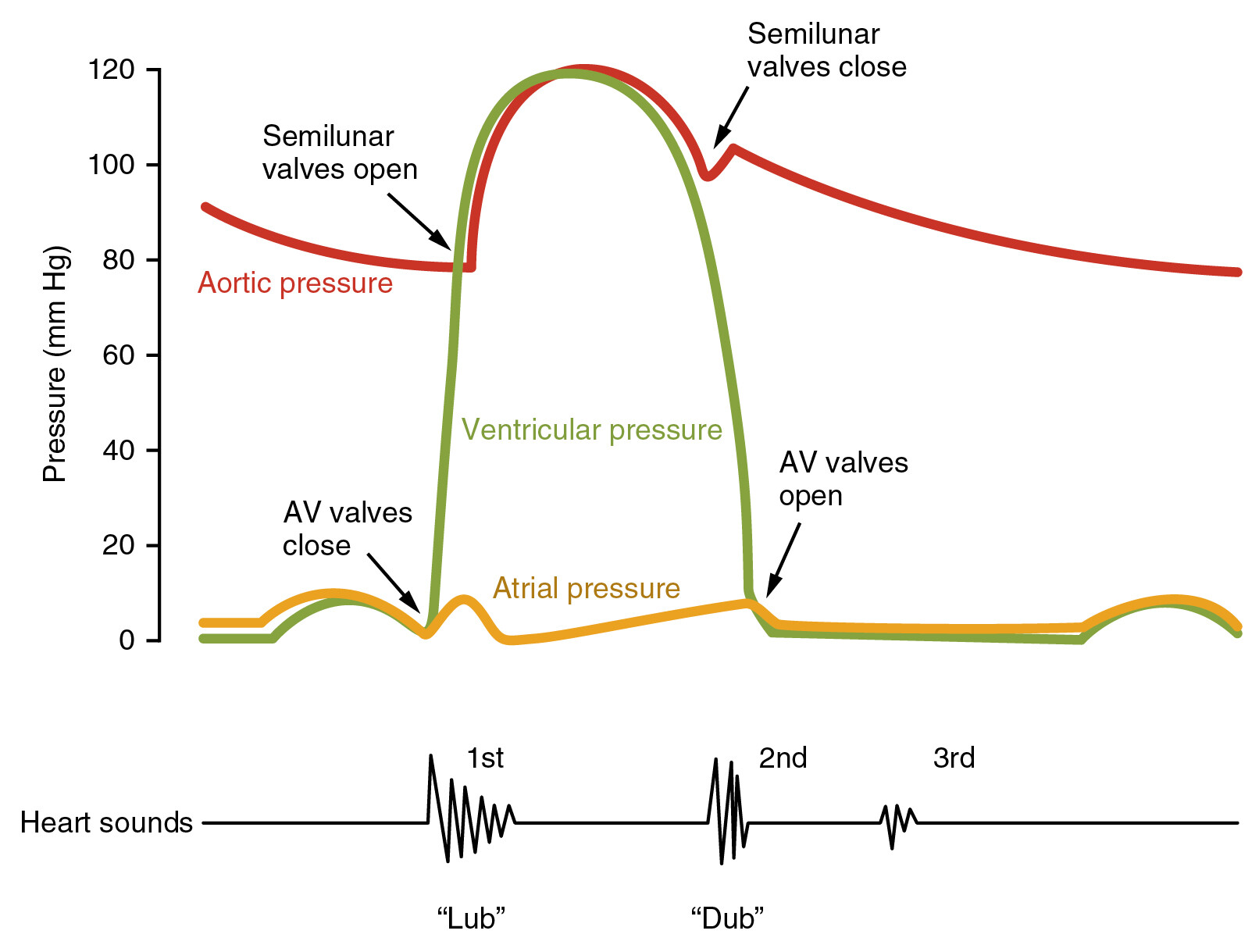
Author: Medical Editorial Team – Board-certified physicians with 10+ years in emergency medicine. Learn more.

Illustration of Second Heart Sound S2 Complete Clinical Explanation Physiology Splitting and Auscultation symptoms

Medical Disclaimer: This is educational content only, not medical advice. Consult a licensed healthcare provider for diagnosis/treatment. Information based on sources like WHO/CDC guidelines (last reviewed: 2026-02-13).

About the Author: Dr. Dinesh, MBBS, is a qualified medical doctor with over [2 years – add your experience] of experience in general medicine As the owner and lead content creator of LearnWithTest.pro, Dr. Dinesh ensures all articles are based on evidence-based guidelines from sources like WHO, CDC, and peer-reviewed journals. This content is for educational purposes only and not a substitute for professional medical advice.

Contact Details: For inquiries or collaborations, reach out at:

All content is reviewed for accuracy and updated regularly (last review: January 10, 2026). We prioritize trustworthiness by citing reliable sources and adhering to medical ethics.

Frequently Asked Questions

What is percutaneous coronary intervention (PCI)?

Percutaneous coronary intervention is a catheter-based revascularization procedure used to open narrowed or occluded coronary arteries using balloon angioplasty and usually stent implantation to restore myocardial blood flow.

What are the main indications for PCI?

Major indications include STEMI, high-risk NSTEMI or unstable angina, refractory angina despite optimal medical therapy, and selected cases of stable ischemic heart disease with significant coronary stenosis.

Why is primary PCI preferred over thrombolysis in STEMI?

Primary PCI achieves higher rates of complete reperfusion, reduces reinfarction and intracranial hemorrhage, and improves survival when performed within guideline-recommended time limits.

What is the ideal time window for primary PCI in STEMI?

Primary PCI should be performed within 90 minutes of first medical contact at a PCI-capable center, or within 120 minutes if transfer from a non-PCI center is required.

What is the no-reflow phenomenon during PCI?

No-reflow is failure of adequate myocardial perfusion despite successful opening of the epicardial coronary artery, usually due to microvascular obstruction from distal embolization or ischemia–reperfusion injury.

What are the advantages of radial artery access in PCI?

Radial access significantly reduces bleeding and vascular complications, allows early ambulation, improves patient comfort, and is associated with lower mortality in high-risk ACS patients.

What is contrast-induced nephropathy after PCI?

Contrast-induced nephropathy is an acute decline in renal function occurring within 48–72 hours after contrast exposure, especially in patients with chronic kidney disease, diabetes, or dehydration.

Why are drug-eluting stents preferred over bare-metal stents?

Drug-eluting stents release antiproliferative drugs that inhibit neointimal hyperplasia, markedly reducing the risk of in-stent restenosis compared to bare-metal stents.

What is dual antiplatelet therapy (DAPT) and why is it important after PCI?

DAPT consists of aspirin plus a P2Y12 inhibitor and is essential to prevent acute and late stent thrombosis after PCI, particularly following drug-eluting stent implantation.

What is the recommended duration of DAPT after PCI?

In acute coronary syndrome, DAPT is recommended for at least 12 months unless bleeding risk is high; shorter durations may be considered in selected stable patients.

What is stent thrombosis and why is it dangerous?

Stent thrombosis is acute occlusion of a coronary stent by thrombus formation and is a life-threatening complication associated with sudden myocardial infarction, arrhythmias, and high mortality.

Which patients benefit more from CABG than PCI?

Patients with diabetes, multivessel coronary artery disease, high SYNTAX score, or left ventricular dysfunction often have better long-term survival with CABG compared to PCI.

What is TIMI flow grading used for in PCI?

TIMI flow grading assesses the degree of coronary blood flow after reperfusion, with TIMI grade III indicating normal flow and optimal procedural success.

What are the common complications of PCI?

Complications include bleeding, vascular injury, contrast-induced nephropathy, no-reflow phenomenon, coronary dissection or perforation, stent thrombosis, and arrhythmias.

What is the role of PCI in cardiogenic shock?

PCI improves survival in cardiogenic shock by restoring coronary perfusion, with current guidelines recommending culprit-lesion-only PCI during the acute phase.

MCQ Test - Second Heart Sound S2 Complete Clinical Explanation Physiology Splitting and Auscultation

Progress:
0/15
Time: 00:00

1 A 64-year-old man presents 2 hours after onset of chest pain. ECG shows anterior STEMI. Blood pressure is stable. Nearest PCI-capable center can achieve balloon time in 80 minutes. What is the best reperfusion strategy?

Explanation:

Primary PCI is preferred when it can be performed within 90 minutes of first medical contact at a PCI-capable center.

2 A patient with inferior STEMI develops hypotension, raised JVP, and clear lung fields during PCI. What is the most likely diagnosis?

Explanation:

Inferior MI with hypotension, elevated JVP, and clear lungs is characteristic of right ventricular infarction.

3 After successful primary PCI, TIMI III flow is achieved but myocardial blush grade remains 0. This indicates:

Explanation:

No-reflow refers to inadequate microvascular perfusion despite restoration of epicardial coronary flow.

4 A diabetic patient with triple-vessel disease, SYNTAX score 36, and EF 30% presents with NSTEMI. Best revascularization strategy?

Explanation:

CABG provides superior survival benefit in diabetics with multivessel disease and high SYNTAX score.

5 Within one hour of DES implantation, a patient develops severe chest pain, hypotension, and ST elevation. Most likely cause?

Explanation:

Acute stent thrombosis presents early with sudden ischemia and hemodynamic compromise.

6 A patient with CKD (eGFR 25 ml/min) is scheduled for elective PCI. Most effective preventive measure for contrast-induced nephropathy?

Explanation:

Adequate hydration with isotonic saline is the most effective strategy to prevent contrast-induced nephropathy.

7 A patient develops thrombocytopenia with new arterial thrombosis 48 hours after PCI while on heparin. Best next step?

Explanation:

This presentation suggests heparin-induced thrombocytopenia; heparin must be stopped and alternative anticoagulation initiated.

8 Following radial access PCI, the patient has absent radial pulse but normal hand perfusion. Most likely diagnosis?

Explanation:

Radial artery occlusion may occur but is often asymptomatic due to intact ulnar collateral flow.

9 A patient stops dual antiplatelet therapy 10 days after drug-eluting stent placement. Greatest immediate risk?

Explanation:

Premature discontinuation of DAPT is the strongest risk factor for acute and subacute stent thrombosis.

10 During PCI, contrast extravasation beyond the coronary artery lumen is seen. This suggests:

Explanation:

Contrast extravasation outside the vessel indicates coronary perforation.

11 A patient with STEMI and cardiogenic shock undergoes PCI. Current guideline-recommended approach?

Explanation:

Culprit-only PCI is preferred initially in cardiogenic shock to reduce procedural risk.

12 Heavily calcified coronary lesion fails to expand despite high-pressure balloon inflation. Best next step?

Explanation:

Rotational atherectomy modifies calcified plaques and facilitates optimal stent expansion.

13 Several hours after PCI, a patient develops acute pulmonary edema with a new holosystolic murmur. Most likely cause?

Explanation:

Papillary muscle rupture causes acute severe mitral regurgitation and pulmonary edema.

14 Which lesion characteristic carries the highest risk of no-reflow during PCI?

Explanation:

Large thrombus burden increases distal embolization and microvascular obstruction leading to no-reflow.

15 A patient presents 36 hours after STEMI, is pain-free and hemodynamically stable. Role of routine PCI?

Explanation:

Routine late PCI without evidence of ischemia does not improve outcomes and is not recommended.

Test Results

0%
0/15
0
Correct Answers
0
Wrong Answers
00:00
Time Taken
0
Skipped
View Exam Mode MCQs (1767073972-index-2025-12-30T111954.339.html)

Related Articles

Comments