This article is being expanded for more depth. Check back soon!

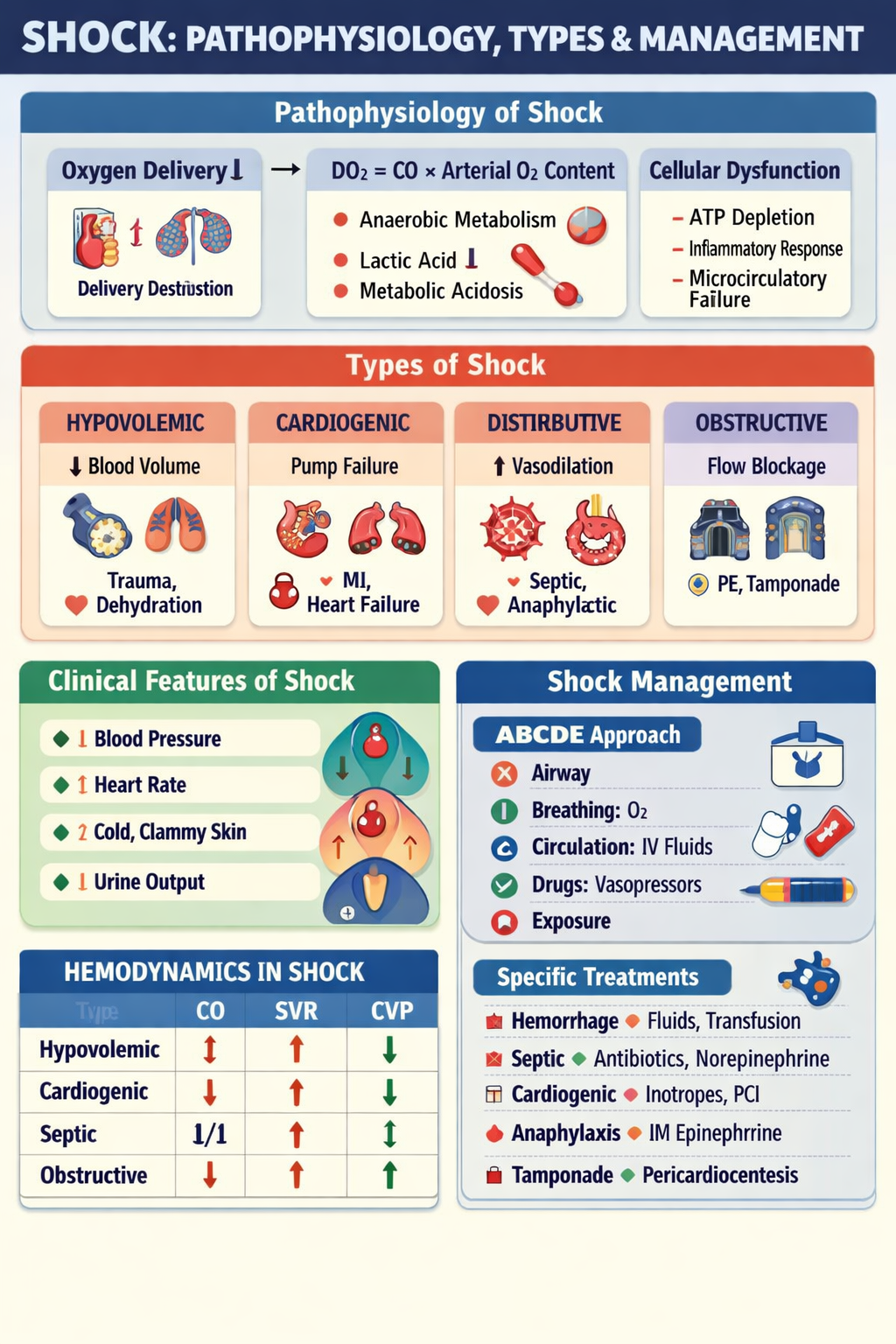
Shock Pathophysiology Types and Emergency Management Guide
Author: Medical Editorial Team – Board-certified physicians with 10+ years in emergency medicine. Learn more.

Illustration of Shock Pathophysiology Types and Emergency Management Guide symptoms

Medical Disclaimer: This is educational content only, not medical advice. Consult a licensed healthcare provider for diagnosis/treatment. Information based on sources like WHO/CDC guidelines (last reviewed: 2026-02-13).

About the Author: Dr. Dinesh, MBBS, is a qualified medical doctor with over [2 years – add your experience] of experience in general medicine As the owner and lead content creator of LearnWithTest.pro, Dr. Dinesh ensures all articles are based on evidence-based guidelines from sources like WHO, CDC, and peer-reviewed journals. This content is for educational purposes only and not a substitute for professional medical advice.

Contact Details: For inquiries or collaborations, reach out at:

All content is reviewed for accuracy and updated regularly (last review: January 10, 2026). We prioritize trustworthiness by citing reliable sources and adhering to medical ethics.

Frequently Asked Questions

What is shock in medical terms?

Shock is a life-threatening condition where tissue perfusion and oxygen delivery are inadequate, leading to cellular hypoxia, metabolic acidosis, and organ dysfunction.

What is the main pathophysiology of shock?

Shock occurs due to failure of oxygen delivery to tissues, causing anaerobic metabolism, lactic acidosis, ATP depletion, inflammatory mediator release, microcirculatory dysfunction, and eventually multi-organ failure.

What are the major types of shock?

The major types of shock are hypovolemic shock, cardiogenic shock, distributive shock (septic, anaphylactic, neurogenic), and obstructive shock.

What causes hypovolemic shock?

Hypovolemic shock is caused by severe loss of intravascular volume due to hemorrhage, dehydration, burns, vomiting, diarrhea, or plasma loss.

What is the mechanism of cardiogenic shock?

Cardiogenic shock results from pump failure of the heart, leading to reduced cardiac output despite adequate volume, commonly due to myocardial infarction, arrhythmias, myocarditis, or severe heart failure.

Why does septic shock cause low blood pressure?

Septic shock causes systemic vasodilation due to cytokine and nitric oxide release, along with capillary leak and myocardial depression, resulting in reduced systemic vascular resistance and hypotension.

What is the hallmark feature of neurogenic shock?

Neurogenic shock is characterized by hypotension with bradycardia and warm dry skin due to loss of sympathetic tone, usually after spinal cord injury.

What are common causes of obstructive shock?

Obstructive shock is caused by mechanical obstruction to blood flow, such as pulmonary embolism, cardiac tamponade, or tension pneumothorax.

What are the early clinical signs of shock?

Early signs include tachycardia, anxiety, cold extremities, delayed capillary refill, mild hypotension or normal blood pressure, and reduced urine output.

What laboratory finding is most important in shock assessment?

Elevated serum lactate is a key marker of tissue hypoperfusion and anaerobic metabolism in shock.

What is the first step in shock management?

The first step is immediate ABCDE resuscitation: secure airway, provide high-flow oxygen, establish IV access, start fluid resuscitation, and treat the underlying cause.

Which fluid is first-line for initial shock resuscitation?

Crystalloids such as normal saline or Ringer lactate are first-line for initial fluid resuscitation in most shock types.

What is the first-line vasopressor in septic shock?

Norepinephrine is the first-line vasopressor used in septic shock to maintain mean arterial pressure above 65 mmHg.

What is the immediate treatment for anaphylactic shock?

Immediate intramuscular epinephrine is the life-saving first-line treatment for anaphylactic shock, followed by airway support and adjunct therapies.

How is cardiogenic shock managed differently from hypovolemic shock?

Cardiogenic shock requires inotropes and revascularization, and excessive fluids are avoided due to risk of pulmonary edema, whereas hypovolemic shock requires aggressive fluid and blood replacement.

What are the stages of shock progression?

Shock progresses through compensated stage (tachycardia, vasoconstriction), progressive stage (hypotension, organ dysfunction), and irreversible stage (refractory multi-organ failure).

What are key endpoints to monitor during shock treatment?

Key endpoints include MAP ≥65 mmHg, urine output ≥0.5 mL/kg/hr, improving mental status, lactate clearance, and normalization of perfusion signs.

What is the most dangerous complication of untreated shock?

Untreated shock can lead to multi-organ failure, disseminated intravascular coagulation, ARDS, irreversible tissue damage, and death.

MCQ Test - Shock Pathophysiology Types and Emergency Management Guide

Progress:
0/45
Time: 00:00

1 A 65-year-old man presents with massive gastrointestinal bleeding. BP is 70/40 mmHg, HR 140/min, cold clammy extremities, and collapsed neck veins. Lactate is elevated. What is the primary pathophysiologic mechanism responsible for shock in this patient?

Explanation:

Hemorrhagic hypovolemic shock results from intravascular volume loss leading to decreased preload, reduced stroke volume, and decreased cardiac output.

2 A trauma patient remains hypotensive despite receiving 2 liters of crystalloids. He has persistent tachycardia, rising lactate, and worsening mental status. What is the most appropriate next management step?

Explanation:

Persistent hemorrhagic shock requires blood product replacement and definitive hemorrhage control, not crystalloids alone.

3 A 58-year-old man develops hypotension, pulmonary edema, raised JVP, and cool extremities following an acute anterior STEMI. Which shock type is most consistent with these findings?

Explanation:

Cardiogenic shock occurs due to pump failure after MI, causing low cardiac output, pulmonary congestion, and systemic hypoperfusion.

4 A patient in cardiogenic shock receives aggressive IV fluids and rapidly develops severe respiratory distress with crackles bilaterally. Why are excessive fluids harmful in cardiogenic shock?

Explanation:

In cardiogenic shock, pump failure prevents handling increased preload, leading to pulmonary edema.

5 A septic patient has warm flushed skin, bounding pulses, BP 80/45 mmHg, and lactate 6 mmol/L. What is the key pathophysiologic mechanism causing hypotension?

Explanation:

Septic shock is distributive, characterized by vasodilation due to inflammatory mediators and nitric oxide release.

6 A patient with septic shock remains hypotensive after receiving 30 mL/kg IV fluids. MAP is 55 mmHg. Which vasopressor is first-line therapy?

Explanation:

Norepinephrine is the first-line vasopressor in septic shock to maintain MAP ≥65 mmHg.

7 A 22-year-old develops hypotension, wheezing, urticaria, and facial swelling immediately after receiving IV penicillin. What is the most immediate life-saving intervention?

Explanation:

Anaphylactic shock requires immediate intramuscular epinephrine as first-line treatment.

8 A spinal cord injury patient presents with hypotension, bradycardia, and warm dry skin. What is the mechanism causing shock?

Explanation:

Neurogenic shock results from loss of sympathetic outflow, causing vasodilation and bradycardia.

9 A patient develops sudden hypotension, raised JVP, and muffled heart sounds after coronary intervention. What shock type is present?

Explanation:

Cardiac tamponade causes obstructive shock by preventing ventricular filling and reducing cardiac output.

10 A trauma patient has absent breath sounds on the right, tracheal deviation, hypotension, and distended neck veins. What is the immediate management?

Explanation:

Tension pneumothorax causes obstructive shock and requires immediate needle decompression.

11 A patient in shock has persistent lactic acidosis despite restoration of blood pressure. What does this indicate?

Explanation:

Microvascular dysfunction may persist despite normal BP, causing continued anaerobic metabolism and lactate elevation.

12 A hemorrhagic shock patient has tachycardia but maintains normal blood pressure initially. This represents which stage of shock?

Explanation:

Early compensated shock maintains BP through tachycardia and vasoconstriction before decompensation occurs.

13 A septic shock patient is on norepinephrine but develops low cardiac output due to myocardial depression. Which additional agent is most appropriate?

Explanation:

Dobutamine is an inotrope used when septic shock is complicated by myocardial dysfunction and low output.

14 A patient with massive pulmonary embolism develops hypotension, raised JVP, and clear lung fields. What is the mechanism of shock?

Explanation:

Massive PE causes obstructive shock by blocking pulmonary blood flow and decreasing left ventricular preload.

15 A patient in irreversible shock has refractory hypotension despite vasopressors. What cellular event defines irreversible shock?

Explanation:

Irreversible shock occurs when cellular injury is too severe, with ATP depletion, membrane failure, and multi-organ dysfunction.

16 A 68-year-old man presents with massive GI bleeding. BP is 70/40 mmHg, HR 150/min, cold clammy extremities, and altered sensorium. After securing airway and oxygen, what is the most appropriate immediate circulatory management?

Explanation:

Hemorrhagic hypovolemic shock requires rapid volume resuscitation with crystalloids and early blood replacement, along with hemorrhage control.

17 A trauma patient remains hypotensive despite 2 liters of IV fluids. FAST ultrasound suggests intra-abdominal bleeding. What is the next definitive step?

Explanation:

Persistent hemorrhagic shock requires urgent hemorrhage control (surgery/intervention) and balanced blood product transfusion.

18 A 60-year-old man in cardiogenic shock after MI has BP 80/50 mmHg, pulmonary edema, and raised JVP. Which treatment strategy is most appropriate?

Explanation:

Cardiogenic shock requires inotropic support (e.g., dobutamine) and urgent revascularization, not excessive fluids.

19 A septic shock patient remains hypotensive after receiving 30 mL/kg crystalloid. MAP is 55 mmHg. What is the first-line vasopressor?

Explanation:

Norepinephrine is first-line in septic shock to restore vascular tone and maintain MAP ≥65 mmHg.

20 A septic shock patient has persistent low cardiac output despite norepinephrine. Which agent is best added to improve myocardial contractility?

Explanation:

Dobutamine is an inotrope used when septic shock is complicated by myocardial depression and low cardiac output.

21 A patient develops hypotension, wheezing, urticaria, and facial swelling immediately after IV contrast administration. What is the immediate life-saving drug?

Explanation:

Anaphylactic shock requires immediate intramuscular epinephrine as the first-line intervention.

22 After epinephrine administration in anaphylactic shock, which adjunct therapy helps prevent biphasic or prolonged reactions?

Explanation:

Steroids like hydrocortisone are adjuncts to reduce prolonged inflammation and biphasic reactions.

23 A spinal cord injury patient has hypotension with bradycardia and warm extremities. Which is the most appropriate vasopressor choice?

Explanation:

Neurogenic shock requires vasopressors to restore vascular tone and sometimes atropine for bradycardia.

24 A trauma patient develops hypotension, distended neck veins, and absent breath sounds with tracheal deviation. What is the immediate management?

Explanation:

Tension pneumothorax causes obstructive shock and requires immediate needle decompression without waiting for imaging.

25 A patient in obstructive shock due to cardiac tamponade has hypotension, raised JVP, and muffled heart sounds. What is definitive treatment?

Explanation:

Cardiac tamponade requires urgent pericardial drainage to relieve obstruction and restore cardiac output.

26 A septic shock patient develops ARDS after excessive fluid resuscitation. What is the best supportive ventilatory strategy?

Explanation:

ARDS management requires lung-protective ventilation with low tidal volumes and PEEP.

27 During shock resuscitation, which clinical endpoint best indicates adequate renal perfusion?

Explanation:

Urine output is a key marker of end-organ perfusion and resuscitation success.

28 A patient in septic shock has persistent hypotension despite norepinephrine. What is the next recommended vasopressor adjunct?

Explanation:

Vasopressin is commonly added as a second-line vasopressor in refractory septic shock.

29 A cardiogenic shock patient remains unstable despite inotropes. Which advanced mechanical support may be required?

Explanation:

Mechanical circulatory support such as IABP or ECMO may be needed in refractory cardiogenic shock.

30 A patient with shock has rising lactate despite normal blood pressure after resuscitation. What is the best interpretation?

Explanation:

Persistent lactate elevation indicates ongoing tissue hypoxia and microcirculatory dysfunction despite corrected macrocirculation.

31 A 70-year-old man presents with massive hematemesis. BP is 75/40 mmHg, HR 145/min, cold clammy skin, and collapsed jugular veins. Which primary hemodynamic abnormality explains his shock state?

Explanation:

This is hemorrhagic hypovolemic shock where volume loss causes reduced venous return (preload) leading to decreased cardiac output.

32 A patient with septic shock has warm flushed extremities, bounding pulses, BP 85/50 mmHg, and high cardiac output early in the course. What is the dominant pathophysiologic mechanism?

Explanation:

Early septic shock is distributive with profound vasodilation mediated by cytokines and nitric oxide, causing decreased SVR.

33 A 60-year-old man develops hypotension, pulmonary edema, raised JVP, and cool extremities after acute MI. Which shock type is most consistent with these findings?

Explanation:

Cardiogenic shock results from pump failure after MI, leading to low cardiac output and pulmonary congestion.

34 A trauma patient has hypotension, distended neck veins, tracheal deviation, and absent breath sounds on one side. Which shock type is present?

Explanation:

Tension pneumothorax causes obstructive shock by compressing mediastinal structures and reducing venous return.

35 A patient develops hypotension, bradycardia, and warm dry skin after spinal cord injury. What mechanism causes this shock state?

Explanation:

Neurogenic shock occurs due to loss of sympathetic outflow leading to vasodilation and bradycardia.

36 A patient in shock shows elevated lactate, metabolic acidosis, and altered mental status. What does elevated lactate primarily indicate?

Explanation:

Lactate rises due to anaerobic glycolysis when tissues are hypoperfused and hypoxic.

37 A patient has hypotension, raised JVP, muffled heart sounds, and pulsus paradoxus after cardiac surgery. What type of shock is this?

Explanation:

Cardiac tamponade causes obstructive shock by preventing ventricular filling and reducing cardiac output.

38 In hypovolemic shock, which compensatory response occurs first to maintain blood pressure?

Explanation:

Early shock triggers sympathetic activation causing tachycardia and vasoconstriction to preserve perfusion.

39 A patient with distributive shock has low SVR and high cardiac output initially. Which shock subtype best fits?

Explanation:

Septic shock is distributive and typically presents with high-output, low-resistance circulation early.

40 A patient develops urticaria, wheezing, hypotension, and facial edema after eating peanuts. Which shock type is present?

Explanation:

Anaphylactic shock is distributive shock caused by IgE-mediated histamine release leading to vasodilation and bronchospasm.

41 A massive pulmonary embolism leads to hypotension, raised JVP, and clear lungs. What is the mechanism of shock?

Explanation:

Massive PE causes obstructive shock by blocking pulmonary circulation and decreasing LV filling.

42 Which hemodynamic profile is most typical of cardiogenic shock?

Explanation:

Cardiogenic shock shows pump failure → low CO, elevated filling pressures (high CVP), and compensatory vasoconstriction (high SVR).

43 Which stage of shock is characterized by hypotension, worsening organ dysfunction, and failure of compensatory mechanisms?

Explanation:

Progressive shock occurs when compensation fails, leading to hypotension and organ hypoperfusion.

44 A patient remains hypotensive despite restoration of blood pressure with vasopressors, and multi-organ failure develops. What defines irreversible shock?

Explanation:

Irreversible shock occurs when cellular injury is too severe, with mitochondrial failure, ATP depletion, and organ death.

45 A patient with septic shock has persistent hypotension and lactate elevation despite fluids. Which pathophysiologic feature explains refractory shock?

Explanation:

Septic shock involves endothelial injury, capillary leak, and microvascular thrombosis causing ongoing tissue hypoxia despite macrocirculatory correction.

Test Results

0%
0/45
0
Correct Answers
0
Wrong Answers
00:00
Time Taken
0
Skipped
View Exam Mode MCQs (1770269034-index-2026-02-05T105002.006.html)

Related Articles

Comments