This article is being expanded for more depth. Check back soon!

Basic Life Support BLS Guidelines Stepwise CPR Airway Breathing Circulation Management
Author: Medical Editorial Team – Board-certified physicians with 10+ years in emergency medicine. Learn more.

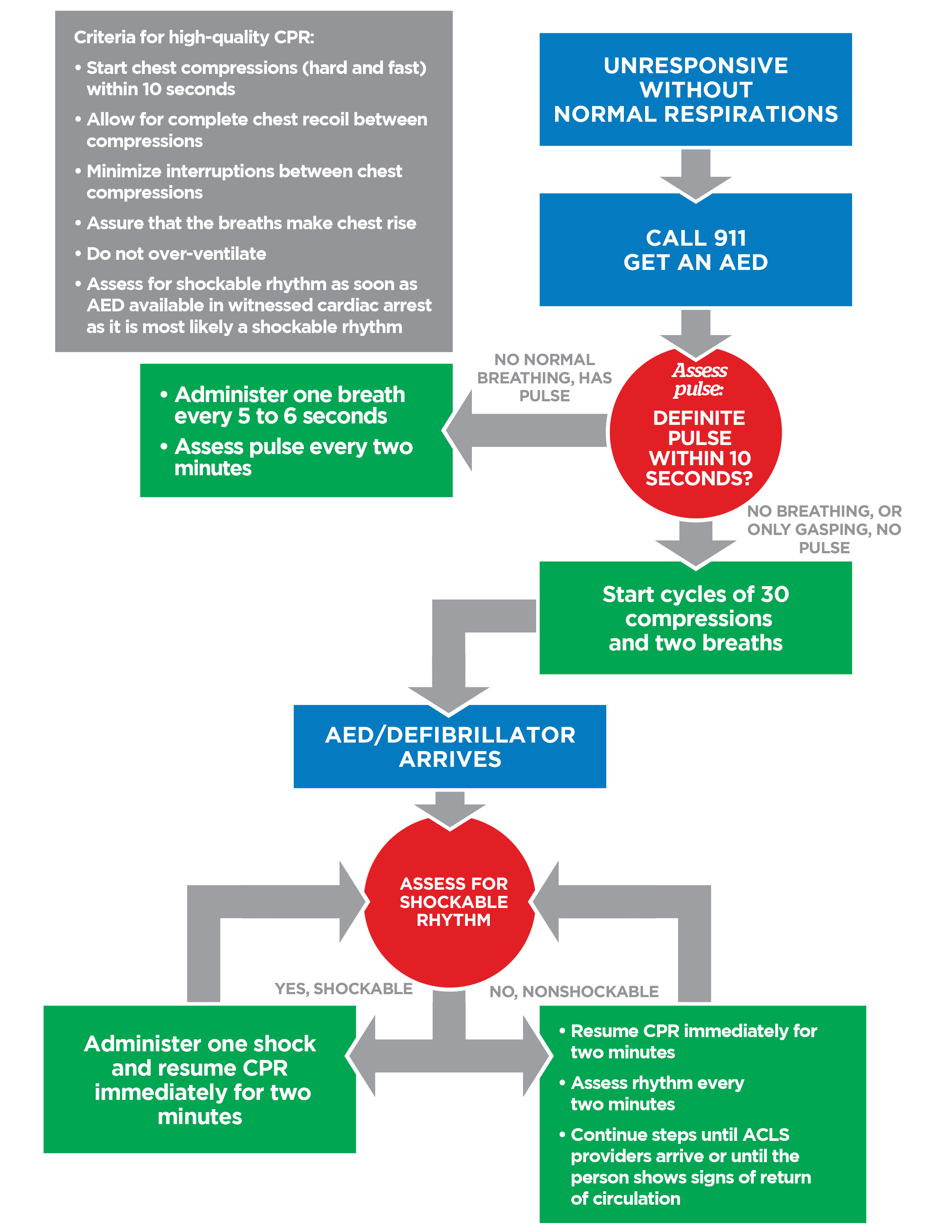
Illustration of Basic Life Support BLS Guidelines Stepwise CPR Airway Breathing Circulation Management symptoms

Medical Disclaimer: This is educational content only, not medical advice. Consult a licensed healthcare provider for diagnosis/treatment. Information based on sources like WHO/CDC guidelines (last reviewed: 2026-02-13).

About the Author: Dr. Dinesh, MBBS, is a qualified medical doctor with over [2 years – add your experience] of experience in general medicine As the owner and lead content creator of LearnWithTest.pro, Dr. Dinesh ensures all articles are based on evidence-based guidelines from sources like WHO, CDC, and peer-reviewed journals. This content is for educational purposes only and not a substitute for professional medical advice.

Contact Details: For inquiries or collaborations, reach out at:

All content is reviewed for accuracy and updated regularly (last review: January 10, 2026). We prioritize trustworthiness by citing reliable sources and adhering to medical ethics.

Frequently Asked Questions

What is Basic Life Support BLS?

Basic Life Support is the immediate lifesaving care provided to patients with cardiac arrest respiratory arrest or airway obstruction focusing on airway breathing circulation and early defibrillation.

What are the main goals of BLS?

The goals of BLS are to maintain airway patency support breathing maintain circulation preserve brain function and prevent irreversible organ damage until advanced care is available.

What are the key components of high quality CPR?

High quality CPR includes compression rate of 100–120 per minute adequate depth full chest recoil minimal interruptions and avoidance of excessive ventilation.

When should CPR be started in adults?

CPR should be started immediately when an adult is unresponsive not breathing normally and has no palpable pulse.

What is the compression to ventilation ratio in adult BLS?

The compression to ventilation ratio in adult BLS is 30 compressions followed by 2 breaths for both single and two rescuers.

How does pediatric BLS differ from adult BLS?

Pediatric BLS uses a compression depth of one third of chest diameter and a ratio of 15:2 when two rescuers are present with greater emphasis on ventilation due to hypoxic causes.

What pulse should be checked in infants during BLS?

The brachial pulse should be checked in infants during BLS.

When should an AED be used during BLS?

An AED should be used as soon as it becomes available in any unresponsive patient with no normal breathing and no pulse.

What should be done immediately after delivering a shock with an AED?

CPR should be resumed immediately after the shock without checking the pulse or rhythm.

How is choking managed in a conscious adult?

Severe choking in a conscious adult is managed with abdominal thrusts until the obstruction is relieved or the person becomes unresponsive.

What is the correct management of an unconscious choking victim?

CPR should be started and the mouth checked for visible foreign bodies before giving rescue breaths without performing blind finger sweeps.

What is rescue breathing and when is it indicated?

Rescue breathing is ventilation without chest compressions indicated when a patient has a pulse but is not breathing.

What is the recommended rescue breathing rate in adults?

Adults should receive one breath every 5 to 6 seconds which equals 10 to 12 breaths per minute.

How is BLS modified in drowning victims?

In drowning victims rescue breaths are prioritized early as hypoxia is the primary cause of arrest.

Should CPR be continued in hypothermic cardiac arrest?

Yes CPR should be continued until the patient is adequately rewarmed unless injuries are incompatible with life.

What are common complications of CPR?

Common complications include rib fractures sternal fractures gastric distension and aspiration but these are acceptable compared to the benefit of survival.

When should BLS be stopped?

BLS should be stopped when the patient shows signs of life advanced care takes over the rescuer is exhausted the scene becomes unsafe or a valid DNR order is present.

Why is early defibrillation important in BLS?

Early defibrillation rapidly terminates lethal arrhythmias like ventricular fibrillation and significantly improves survival rates.

What is the chain of survival in BLS?

The chain of survival includes early recognition early CPR early defibrillation advanced life support and post cardiac arrest care.

Why should interruptions in chest compressions be minimized?

Interruptions reduce coronary and cerebral perfusion pressure leading to poorer resuscitation outcomes.

MCQ Test - Basic Life Support BLS Guidelines Stepwise CPR Airway Breathing Circulation Management

Progress:
0/15
Time: 00:00

1 A 60-year-old man collapses in a hospital corridor. He is unresponsive, gasping irregularly, and no carotid pulse is felt within 10 seconds. What is the most appropriate immediate action?

Explanation:

Agonal gasping is not normal breathing. In an unresponsive patient with no pulse, immediate high-quality chest compressions are the priority.

2 During adult CPR, compressions are delivered at 80 per minute with frequent pauses. Which change will most improve outcomes?

Explanation:

High-quality CPR requires a compression rate of 100–120 per minute with minimal interruptions to maintain coronary perfusion.

3 An unresponsive adult has a carotid pulse but is not breathing. What is the correct BLS management?

Explanation:

Presence of a pulse with apnea requires rescue breathing without chest compressions.

4 A 4-year-old child is found unresponsive, apneic, and pulseless. Two trained rescuers are present. What is the correct compression-to-ventilation ratio?

Explanation:

For pediatric cardiac arrest with two rescuers, the recommended ratio is 15 compressions to 2 breaths.

5 An infant with severe bradycardia (heart rate 50/min) shows poor perfusion despite adequate oxygenation. What is the correct action?

Explanation:

In infants, a heart rate below 60/min with signs of poor perfusion requires CPR.

6 During CPR, an AED advises a shock. What must be ensured immediately before shock delivery?

Explanation:

All rescuers must be clear of the patient to avoid accidental shock during defibrillation.

7 After an AED shock is delivered, the patient remains unresponsive. What is the next step?

Explanation:

CPR should be resumed immediately after shock without delaying for rhythm or pulse checks.

8 A drowning victim is pulled from water and found unresponsive. Which BLS modification is most important?

Explanation:

Drowning is primarily hypoxic; early ventilation with rescue breaths is critical.

9 A conscious adult suddenly develops severe choking and cannot speak or cough effectively. What is the correct first intervention?

Explanation:

Abdominal thrusts are indicated for severe airway obstruction in conscious adults.

10 A pregnant woman becomes unresponsive after choking. What is the preferred method to relieve airway obstruction?

Explanation:

Chest thrusts are recommended in pregnancy to avoid uterine and fetal injury.

11 During CPR, excessive ventilation is provided. What is the most likely adverse effect?

Explanation:

Over-ventilation increases intrathoracic pressure, reducing venous return and increasing aspiration risk.

12 A hypothermic patient is found pulseless. What is the correct BLS approach?

Explanation:

Hypothermic cardiac arrest patients should be resuscitated until adequately rewarmed.

13 An AED is applied to a patient with an implanted pacemaker visible on the chest. What should be done?

Explanation:

AED pads should not be placed directly over implanted devices.

14 A rescuer performing CPR becomes fatigued. What is the best strategy to maintain CPR quality?

Explanation:

Switching rescuers every 2 minutes helps maintain effective compression depth and rate.

15 A valid Do Not Resuscitate (DNR) order is presented during resuscitation. What is the correct action?

Explanation:

A valid DNR order requires cessation of resuscitative measures.

Test Results

0%
0/15
0
Correct Answers
0
Wrong Answers
00:00
Time Taken
0
Skipped
View Exam Mode MCQs (1767615800-index-2026-01-05T175211.146.html)

Related Articles

Comments