This article is being expanded for more depth. Check back soon!

Pancreatic Neuroendocrine Tumor Symptoms Diagnosis Treatment Prognosis
Author: Medical Editorial Team – Board-certified physicians with 10+ years in emergency medicine. Learn more.

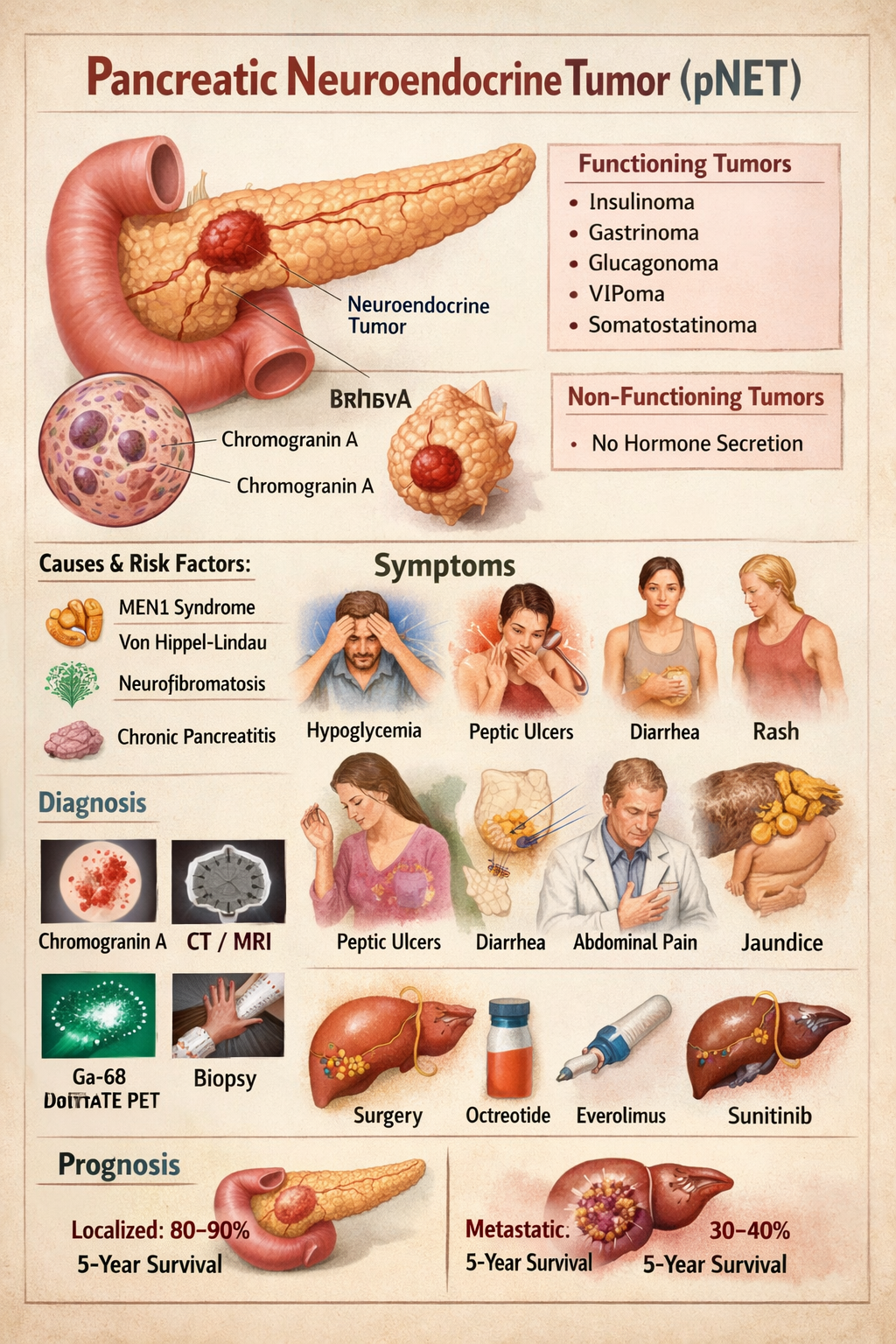
Illustration of Pancreatic Neuroendocrine Tumor Symptoms Diagnosis Treatment Prognosis symptoms

Medical Disclaimer: This is educational content only, not medical advice. Consult a licensed healthcare provider for diagnosis/treatment. Information based on sources like WHO/CDC guidelines (last reviewed: 2026-02-13).

About the Author: Dr. Dinesh, MBBS, is a qualified medical doctor with over [2 years – add your experience] of experience in general medicine As the owner and lead content creator of LearnWithTest.pro, Dr. Dinesh ensures all articles are based on evidence-based guidelines from sources like WHO, CDC, and peer-reviewed journals. This content is for educational purposes only and not a substitute for professional medical advice.

Contact Details: For inquiries or collaborations, reach out at:

All content is reviewed for accuracy and updated regularly (last review: January 10, 2026). We prioritize trustworthiness by citing reliable sources and adhering to medical ethics.

Frequently Asked Questions

What is a pancreatic neuroendocrine tumor

A pancreatic neuroendocrine tumor is a rare tumor arising from hormone producing islet cells of the pancreas that may be hormone secreting or non functioning

What are the main types of pancreatic neuroendocrine tumors

The main types include insulinoma, gastrinoma, glucagonoma, VIPoma, somatostatinoma and non functioning pancreatic neuroendocrine tumors

What symptoms suggest an insulinoma

Symptoms include fasting hypoglycemia, sweating, tremors, confusion, blurred vision and relief after taking glucose

How is pancreatic neuroendocrine tumor diagnosed

Diagnosis is based on hormone blood tests, chromogranin A levels, imaging with CT or MRI, endoscopic ultrasound and Ga 68 DOTATATE PET scan

What is chromogranin A

Chromogranin A is a tumor marker commonly elevated in pancreatic neuroendocrine tumors and is used for monitoring disease

What is the best imaging test for pancreatic neuroendocrine tumor

Ga 68 DOTATATE PET CT is the most sensitive and specific imaging for detecting pancreatic neuroendocrine tumors and metastases

What causes Zollinger Ellison syndrome

Zollinger Ellison syndrome is caused by gastrin secreting pancreatic neuroendocrine tumors called gastrinomas

What is MEN1 related pancreatic neuroendocrine tumor

MEN1 is a genetic disorder causing multiple endocrine tumors including pancreatic neuroendocrine tumors along with pituitary and parathyroid tumors

How are pancreatic neuroendocrine tumors treated

Treatment includes surgical removal, somatostatin analogs, targeted therapy like everolimus or sunitinib, chemotherapy and radionuclide therapy

What is the prognosis of pancreatic neuroendocrine tumor

Localized pancreatic neuroendocrine tumors have good prognosis with high survival while metastatic disease has lower but still better survival compared to pancreatic cancer

MCQ Test - Pancreatic Neuroendocrine Tumor Symptoms Diagnosis Treatment Prognosis

Progress:
0/15
Time: 00:00

1 A 38-year-old woman presents with recurrent fasting hypoglycemia, confusion and sweating. Laboratory tests show elevated insulin, C peptide and proinsulin during hypoglycemia. Which pancreatic tumor is most likely?

Explanation:

Endogenous hyperinsulinemic hypoglycemia with elevated C peptide and proinsulin confirms insulinoma

2 A patient with multiple recurrent peptic ulcers, chronic diarrhea and very high serum gastrin is found to have a pancreatic mass. What syndrome is present?

Explanation:

Gastrinoma causes Zollinger Ellison syndrome characterized by hypergastrinemia and acid hypersecretion

3 A 55-year-old man with diabetes, weight loss and erythematous rash around the mouth and groin has elevated glucagon levels. Which tumor is responsible?

Explanation:

Glucagonoma causes necrolytic migratory erythema, diabetes and weight loss

4 A patient with pancreatic neuroendocrine tumor has profuse watery diarrhea, hypokalemia and achlorhydria. Which hormone is being secreted?

Explanation:

VIPoma causes WDHA syndrome due to excess vasoactive intestinal peptide

5 A non functioning pancreatic neuroendocrine tumor has Ki 67 of 15 percent. What is its WHO grade?

Explanation:

Ki 67 between 3 and 20 percent defines Grade 2 neuroendocrine tumor

6 A patient with MEN1 develops multiple pancreatic neuroendocrine tumors. Which additional tumor is most likely present?

Explanation:

MEN1 classically involves parathyroid, pituitary and pancreatic endocrine tumors

7 Which imaging modality is most sensitive for detecting small pancreatic neuroendocrine tumors?

Explanation:

Endoscopic ultrasound has the highest sensitivity for small pancreatic NETs

8 A metastatic pancreatic neuroendocrine tumor shows strong somatostatin receptor expression on Ga 68 DOTATATE PET. What is the most appropriate therapy?

Explanation:

Somatostatin analogs control hormone secretion and slow tumor progression

9 A patient with insulinoma who is not a surgical candidate continues to have severe hypoglycemia. Which drug directly suppresses insulin release?

Explanation:

Diazoxide inhibits insulin secretion from pancreatic beta cells

10 Which targeted drug inhibits the mTOR pathway in advanced pancreatic neuroendocrine tumors?

Explanation:

Everolimus is an mTOR inhibitor used in progressive pNET

11 A patient with a pancreatic neuroendocrine tumor presents with obstructive jaundice. What surgical procedure is indicated if the tumor is in the head of the pancreas?

Explanation:

Tumors in the pancreatic head require pancreaticoduodenectomy

12 Chromogranin A is measured in pancreatic neuroendocrine tumor patients mainly to

Explanation:

Chromogranin A is a tumor marker used for monitoring disease activity

13 Which organ is the most common site of metastasis in pancreatic neuroendocrine tumors?

Explanation:

The liver is the most frequent metastatic site

14 A patient with gastrinoma requires acid suppression. Which drug class is most effective?

Explanation:

High dose proton pump inhibitors control acid hypersecretion in Zollinger Ellison syndrome

15 A patient with liver metastatic pNET undergoes peptide receptor radionuclide therapy. What is its main mechanism?

Explanation:

PRRT delivers targeted radiation to somatostatin receptor positive tumor cells

Test Results

0%
0/15
0
Correct Answers
0
Wrong Answers
00:00
Time Taken
0
Skipped
View Exam Mode MCQs (1768140459-index-2026-01-11T193459.479.html)

Related Articles

Comments