Mitral Regurgitation Detailed Management Guidelines Diagnosis and Treatment
Author: Medical Editorial Team – Board-certified physicians with 10+ years in emergency medicine. Learn more.

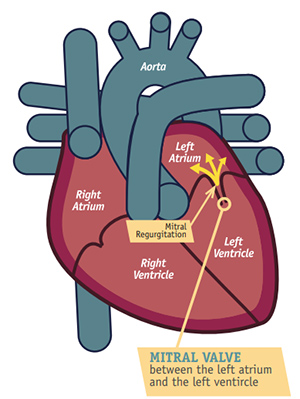
Illustration of Mitral Regurgitation Detailed Management Guidelines Diagnosis and Treatment symptoms

Medical Disclaimer: This is educational content only, not medical advice. Consult a licensed healthcare provider for diagnosis/treatment. Information based on sources like WHO/CDC guidelines (last reviewed: 2026-02-13).

About the Author: Dr. Dinesh, MBBS, is a qualified medical doctor with over [2 years – add your experience] of experience in general medicine As the owner and lead content creator of LearnWithTest.pro, Dr. Dinesh ensures all articles are based on evidence-based guidelines from sources like WHO, CDC, and peer-reviewed journals. This content is for educational purposes only and not a substitute for professional medical advice.

Contact Details: For inquiries or collaborations, reach out at:

All content is reviewed for accuracy and updated regularly (last review: January 10, 2026). We prioritize trustworthiness by citing reliable sources and adhering to medical ethics.

Frequently Asked Questions

What is mitral regurgitation?

Mitral regurgitation is a valvular heart disease in which blood flows backward from the left ventricle into the left atrium during systole due to incomplete closure of the mitral valve.

What are the main causes of mitral regurgitation?

Causes include mitral valve prolapse, rheumatic heart disease, infective endocarditis, papillary muscle rupture after myocardial infarction, dilated cardiomyopathy, and ischemic heart disease.

What is the difference between acute and chronic mitral regurgitation?

Acute mitral regurgitation develops suddenly and causes pulmonary edema and shock, while chronic mitral regurgitation develops gradually with compensatory left atrial and ventricular dilation.

What are the common symptoms of mitral regurgitation?

Symptoms include exertional dyspnea, fatigue, orthopnea, paroxysmal nocturnal dyspnea, palpitations due to atrial fibrillation, and hemoptysis in advanced disease.

What is the characteristic murmur of mitral regurgitation?

Mitral regurgitation produces a holosystolic murmur best heard at the apex and radiating to the axilla, often accompanied by a soft first heart sound.

Which investigation is the gold standard for diagnosing mitral regurgitation?

Echocardiography is the gold standard investigation, providing information about valve anatomy, severity of regurgitation, and left ventricular function.

How is severe mitral regurgitation defined on echocardiography?

Severe mitral regurgitation is defined by effective regurgitant orifice area ≥0.40 cm², regurgitant volume ≥60 mL, or vena contracta width ≥0.7 cm.

What are the indications for surgery in mitral regurgitation?

Indications include symptomatic severe mitral regurgitation, asymptomatic severe mitral regurgitation with left ventricular dysfunction, pulmonary hypertension, new-onset atrial fibrillation, or progressive ventricular dilation.

Why is mitral valve repair preferred over replacement?

Mitral valve repair preserves left ventricular function, has lower operative mortality, avoids long-term anticoagulation, and provides better long-term survival.

What is functional mitral regurgitation?

Functional mitral regurgitation occurs due to left ventricular dilation and remodeling with structurally normal mitral valve leaflets, commonly seen in ischemic or dilated cardiomyopathy.

What role do medications play in mitral regurgitation?

Medications provide symptomatic relief and delay progression but do not correct the valve lesion; they include diuretics, ACE inhibitors, beta blockers, and anticoagulants when indicated.

When is MitraClip therapy used in mitral regurgitation?

MitraClip is used in patients with severe symptomatic functional mitral regurgitation who remain symptomatic despite optimal medical therapy and are at high surgical risk.

How does atrial fibrillation complicate mitral regurgitation?

Atrial fibrillation increases the risk of thromboembolism and worsens symptoms due to loss of atrial contribution to ventricular filling.

Is mitral regurgitation tolerated during pregnancy?

Chronic mitral regurgitation with preserved left ventricular function is usually well tolerated during pregnancy due to reduced systemic vascular resistance.

What is the most important prognostic factor in chronic mitral regurgitation?

Left ventricular systolic dysfunction is the most important predictor of poor prognosis and mortality in chronic mitral regurgitation.

MCQ Test - Mitral Regurgitation Detailed Management Guidelines Diagnosis and Treatment

Progress:
0/15
Time: 00:00

1 A 64-year-old man presents with sudden severe breathlessness and hypotension 4 days after an inferior wall myocardial infarction. Echocardiography shows severe mitral regurgitation with a flail posterior leaflet and a normal-sized left atrium. What is the most likely cause?

Explanation:

Papillary muscle rupture following myocardial infarction causes acute severe mitral regurgitation with pulmonary edema and a non-dilated left atrium.

2 A 52-year-old woman with chronic severe mitral regurgitation is asymptomatic. Echocardiography shows LVEF 59% and LV end-systolic diameter of 41 mm. What is the most appropriate management?

Explanation:

Asymptomatic severe mitral regurgitation with LVESD ≥40 mm is an indication for surgery.

3 A patient with chronic mitral regurgitation develops new-onset atrial fibrillation. What is the most important intervention to reduce stroke risk?

Explanation:

Anticoagulation is mandatory in mitral regurgitation with atrial fibrillation to prevent thromboembolic events.

4 A 68-year-old man with ischemic cardiomyopathy has moderate-to-severe mitral regurgitation due to leaflet tethering. How should this condition be classified?

Explanation:

Secondary mitral regurgitation results from left ventricular remodeling with structurally normal mitral valve leaflets.

5 Which echocardiographic parameter best defines severe mitral regurgitation?

Explanation:

An effective regurgitant orifice area ≥0.40 cm² indicates severe mitral regurgitation.

6 A patient with acute severe mitral regurgitation presents with pulmonary edema and cardiogenic shock. Which drug provides the fastest hemodynamic improvement?

Explanation:

Nitroprusside reduces afterload and regurgitant volume, rapidly improving forward cardiac output.

7 A 60-year-old woman with long-standing mitral regurgitation develops hoarseness of voice. What is the most likely mechanism?

Explanation:

Enlargement of the left atrium can compress the left recurrent laryngeal nerve, causing Ortner syndrome.

8 Which physical examination finding best differentiates acute from chronic mitral regurgitation?

Explanation:

Chronic mitral regurgitation shows left atrial enlargement, which is absent in acute cases.

9 A patient with severe mitral regurgitation remains symptomatic despite optimal medical therapy and is considered high risk for surgery. What is the best next option?

Explanation:

MitraClip is indicated for high-risk patients with severe symptomatic mitral regurgitation.

10 Why can left ventricular ejection fraction appear normal or high in chronic severe mitral regurgitation?

Explanation:

Ejection fraction includes both forward and regurgitant volume, falsely elevating EF.

11 A pregnant woman with chronic mitral regurgitation and preserved LV function is asymptomatic. What is the most appropriate management?

Explanation:

Chronic mitral regurgitation is usually well tolerated in pregnancy; ACE inhibitors are contraindicated.

12 Which factor most strongly predicts poor long-term outcome in chronic mitral regurgitation?

Explanation:

Left ventricular systolic dysfunction is the strongest predictor of mortality.

13 A patient with mitral regurgitation has a soft first heart sound. What is the underlying reason?

Explanation:

Incomplete leaflet coaptation in mitral regurgitation leads to a soft S1.

14 A patient with infective endocarditis develops acute mitral regurgitation. What is the most likely pathological change?

Explanation:

Endocarditis can destroy valve tissue or rupture chordae, causing acute mitral regurgitation.

15 Delayed surgical intervention in severe mitral regurgitation most commonly results in which complication?

Explanation:

Delay in surgery after LV dysfunction develops leads to irreversible myocardial damage.

Test Results

0%
0/15
0
Correct Answers
0
Wrong Answers
00:00
Time Taken
0
Skipped
View Exam Mode MCQs (1767095322-index-2025-12-30T171459.402.html)

Related Articles

Comments