This article is being expanded for more depth. Check back soon!

Respiratory System Physiology Complete Guide for Medical Students
Author: Medical Editorial Team – Board-certified physicians with 10+ years in emergency medicine. Learn more.

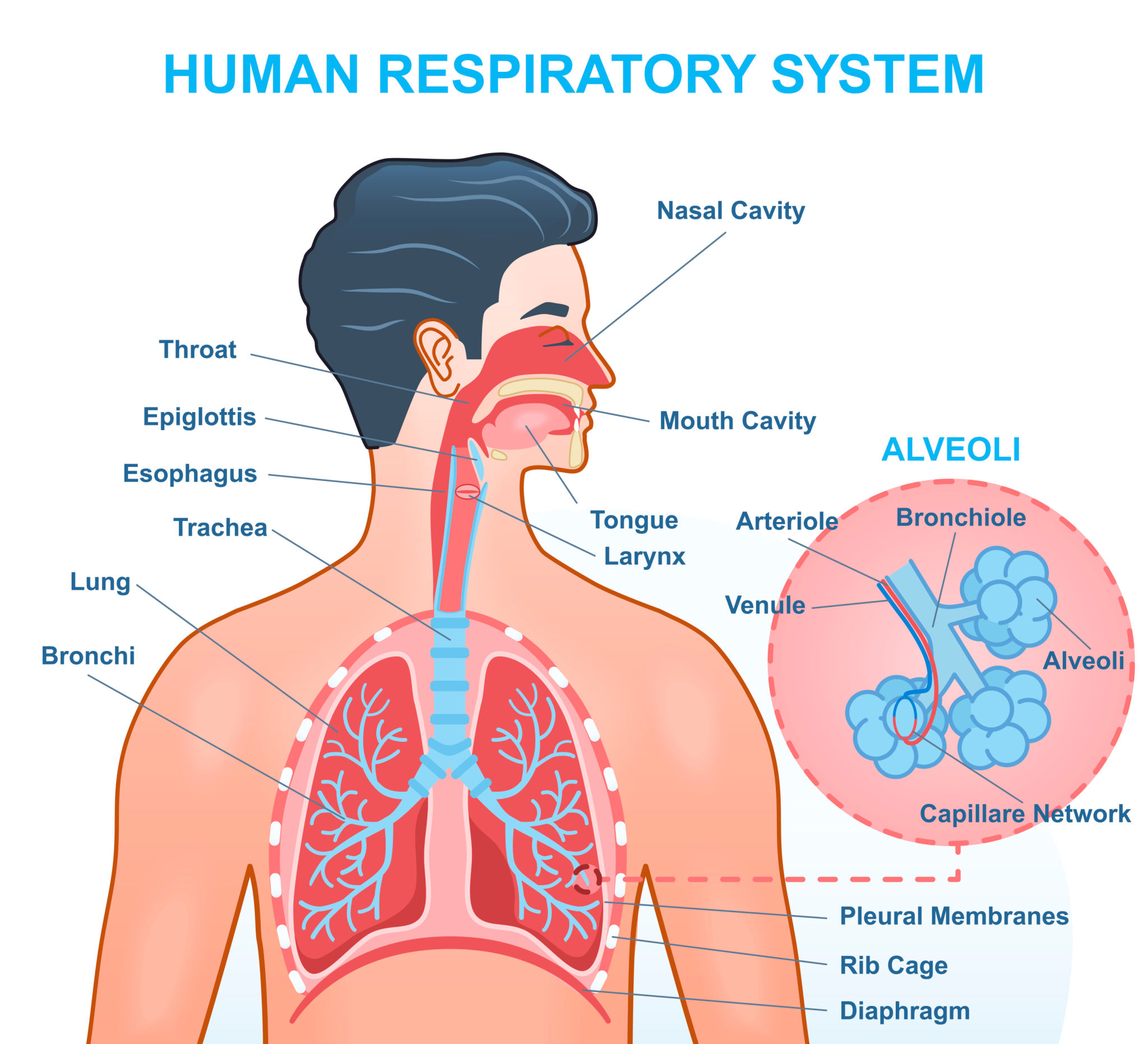
Illustration of Respiratory System Physiology Complete Guide for Medical Students symptoms

Medical Disclaimer: This is educational content only, not medical advice. Consult a licensed healthcare provider for diagnosis/treatment. Information based on sources like WHO/CDC guidelines (last reviewed: 2026-02-13).

About the Author: Dr. Dinesh, MBBS, is a qualified medical doctor with over [2 years – add your experience] of experience in general medicine As the owner and lead content creator of LearnWithTest.pro, Dr. Dinesh ensures all articles are based on evidence-based guidelines from sources like WHO, CDC, and peer-reviewed journals. This content is for educational purposes only and not a substitute for professional medical advice.

Contact Details: For inquiries or collaborations, reach out at:

All content is reviewed for accuracy and updated regularly (last review: January 10, 2026). We prioritize trustworthiness by citing reliable sources and adhering to medical ethics.

Frequently Asked Questions

What is the primary function of the respiratory system?

The primary function of the respiratory system is gas exchange, which involves uptake of oxygen into the blood and elimination of carbon dioxide from the body. It also plays a crucial role in acid–base balance, phonation, defense mechanisms, and metabolic functions.

What is the difference between ventilation and respiration?

Ventilation refers to the mechanical movement of air into and out of the lungs, while respiration includes ventilation, diffusion of gases across the alveolar membrane, transport of gases in blood, and cellular utilization of oxygen.

What determines alveolar ventilation?

Alveolar ventilation is determined by tidal volume, respiratory rate, and dead space. It is calculated as (tidal volume minus dead space) multiplied by respiratory rate and directly influences arterial carbon dioxide levels.

Why is surfactant important in lung physiology?

Pulmonary surfactant reduces surface tension within alveoli, preventing alveolar collapse during expiration, increasing lung compliance, and reducing the work of breathing. It is produced by type II pneumocytes.

What is the ventilation perfusion ratio and why is it important?

The ventilation perfusion ratio is the ratio of alveolar ventilation to pulmonary blood flow. A normal value is about 0.8. Matching of ventilation and perfusion is essential for efficient gas exchange, and mismatch leads to hypoxemia.

What causes hypoxemia that does not improve with oxygen therapy?

Physiological shunt is the main cause of hypoxemia that does not correct with oxygen therapy, as blood bypasses ventilated alveoli, commonly seen in pneumonia and pulmonary edema.

What factors shift the oxyhemoglobin dissociation curve to the right?

Increased carbon dioxide, increased hydrogen ion concentration, increased temperature, and increased 2,3-BPG shift the curve to the right, facilitating oxygen unloading to tissues.

Which chemoreceptors are most sensitive to carbon dioxide changes?

Central chemoreceptors located in the medulla are most sensitive to changes in carbon dioxide via changes in cerebrospinal fluid pH and provide the strongest drive for respiration.

What is the physiological basis of respiratory acidosis?

Respiratory acidosis occurs due to hypoventilation leading to carbon dioxide retention, increased PaCO₂, and a fall in blood pH. Renal compensation occurs by increased bicarbonate reabsorption.

Why does emphysema cause difficulty in expiration?

Emphysema causes destruction of elastic tissue in the lungs, leading to loss of elastic recoil. This results in airway collapse during expiration and air trapping.

MCQ Test - Respiratory System Physiology Complete Guide for Medical Students

Progress:
0/15
Time: 00:00

1 A 45-year-old man with long-standing COPD presents with worsening dyspnea. ABG shows pH 7.32, PaCO₂ 60 mmHg, PaO₂ 55 mmHg. Which primary physiological abnormality explains his chronic hypercapnia?

Explanation:

In COPD, loss of elastic recoil leads to air trapping and alveolar hypoventilation, causing chronic CO₂ retention and respiratory acidosis.

2 A 30-year-old woman with acute asthma develops severe wheezing and prolonged expiration. Which physiological factor is primarily responsible for increased work of breathing?

Explanation:

Bronchoconstriction markedly reduces airway radius, increasing resistance according to Poiseuille’s law.

3 A patient with pulmonary fibrosis complains of exertional dyspnea. At rest, ABG is normal. During exercise, PaO₂ falls significantly. What explains this finding?

Explanation:

Exercise shortens capillary transit time, unmasking diffusion limitation across thickened alveolar membranes.

4 A patient with massive pulmonary embolism has normal PaCO₂ initially despite severe hypoxemia. What explains this phenomenon?

Explanation:

Hyperventilation of remaining perfused lung units washes out CO₂, keeping PaCO₂ near normal.

5 A neonate born at 26 weeks gestation develops respiratory distress syndrome. Which physiological change is most responsible for alveolar collapse?

Explanation:

Surfactant deficiency increases surface tension, causing alveolar instability and collapse.

6 A patient breathes rapidly and deeply during panic attack. Which immediate cerebral effect is most likely?

Explanation:

Hypocapnia from hyperventilation causes cerebral vasoconstriction leading to dizziness.

7 A patient with left ventricular failure develops dyspnea when lying flat. Which receptor activation contributes to this sensation?

Explanation:

Interstitial pulmonary edema stimulates J receptors, causing rapid shallow breathing and dyspnea.

8 A patient has normal spirometry but reduced DLCO. Which underlying pathology best explains this finding?

Explanation:

Thickened alveolar-capillary membrane reduces diffusion capacity without affecting airway flow.

9 A patient with anemia has normal PaO₂ and SaO₂ but reduced tissue oxygen delivery. Which parameter is primarily reduced?

Explanation:

Oxygen content depends on hemoglobin concentration, which is reduced in anemia.

10 A man at high altitude develops respiratory alkalosis initially. Which renal response occurs after several days?

Explanation:

Renal compensation for respiratory alkalosis involves excretion of bicarbonate.

11 A patient with emphysema shows airway collapse during forced expiration. Which pressure-related phenomenon explains this?

Explanation:

Loss of elastic recoil shifts the equal pressure point toward smaller airways, causing collapse.

12 A patient inhales 100% oxygen for prolonged duration. Which complication is most likely?

Explanation:

Nitrogen washout leads to alveolar collapse known as absorption atelectasis.

13 A patient with severe kyphoscoliosis develops hypoventilation. Which lung parameter is most reduced?

Explanation:

Restrictive chest wall disorders reduce total lung capacity.

14 A patient suddenly stops breathing after receiving opioids. Which respiratory center is directly depressed?

Explanation:

Opioids depress medullary respiratory centers, reducing ventilatory drive.

15 During heavy exercise, arterial PaO₂ remains near normal despite increased oxygen consumption. What explains this?

Explanation:

Exercise increases pulmonary capillary recruitment and diffusion capacity, maintaining PaO₂.

Test Results

0%
0/15
0
Correct Answers
0
Wrong Answers
00:00
Time Taken
0
Skipped
View Exam Mode MCQs (1769863679-index-2026-01-31T181611.301.html)

Related Articles

Comments