This article is being expanded for more depth. Check back soon!

Blood Transfusion and Massive Blood Transfusion Protocol Complete Clinical Guide
Author: Medical Editorial Team – Board-certified physicians with 10+ years in emergency medicine. Learn more.

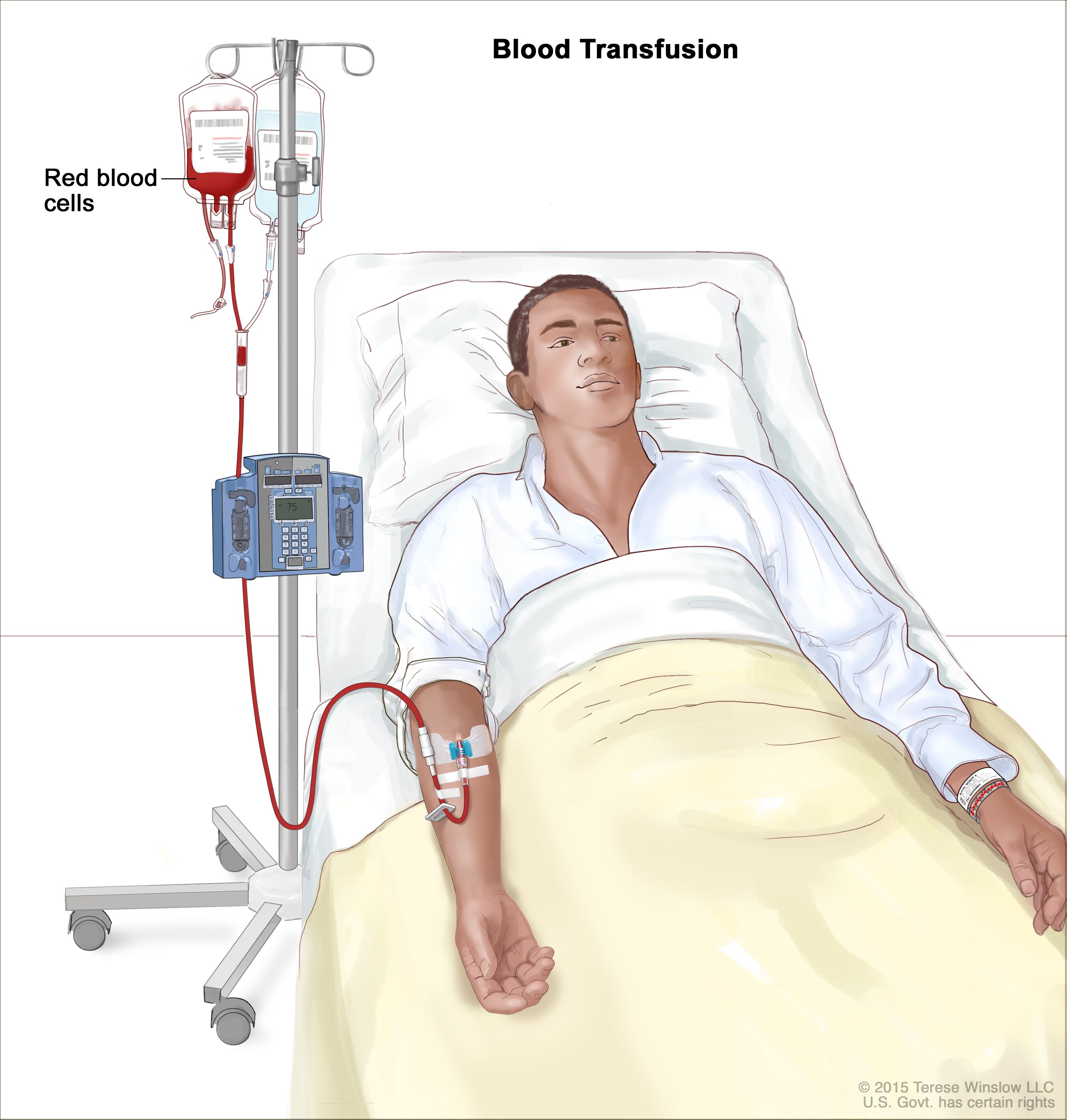
Illustration of Blood Transfusion and Massive Blood Transfusion Protocol Complete Clinical Guide symptoms

Medical Disclaimer: This is educational content only, not medical advice. Consult a licensed healthcare provider for diagnosis/treatment. Information based on sources like WHO/CDC guidelines (last reviewed: 2026-02-13).

About the Author: Dr. Dinesh, MBBS, is a qualified medical doctor with over [2 years – add your experience] of experience in general medicine As the owner and lead content creator of LearnWithTest.pro, Dr. Dinesh ensures all articles are based on evidence-based guidelines from sources like WHO, CDC, and peer-reviewed journals. This content is for educational purposes only and not a substitute for professional medical advice.

Contact Details: For inquiries or collaborations, reach out at:

All content is reviewed for accuracy and updated regularly (last review: January 10, 2026). We prioritize trustworthiness by citing reliable sources and adhering to medical ethics.

Frequently Asked Questions

What is blood transfusion?

Blood transfusion is the intravenous administration of whole blood or specific blood components such as packed red blood cells, platelets, plasma, or cryoprecipitate to restore oxygen-carrying capacity, correct coagulopathy, or replace blood loss.

What are the main indications for packed red blood cell transfusion?

PRBC transfusion is indicated in acute blood loss, symptomatic anemia, hemoglobin less than 7 g/dL in stable adults, hemoglobin less than 8 g/dL in patients with cardiovascular disease, and ongoing hemorrhagic shock.

What is massive blood transfusion?

Massive blood transfusion is defined as transfusion of 10 or more units of PRBCs within 24 hours, 4 or more units within 1 hour with ongoing bleeding, or replacement of more than 50 percent of blood volume within 3 hours.

When should a massive transfusion protocol be activated?

MTP should be activated in patients with life-threatening hemorrhage such as major trauma, postpartum hemorrhage, ruptured aneurysm, massive gastrointestinal bleeding, or uncontrolled surgical bleeding with hemodynamic instability.

What is the recommended transfusion ratio in massive transfusion protocol?

The recommended ratio is 1:1:1 using packed red blood cells, fresh frozen plasma, and platelets to prevent dilutional coagulopathy and improve survival.

Why is calcium supplementation required during massive transfusion?

Citrate used as an anticoagulant in stored blood binds ionized calcium, leading to hypocalcemia which can cause hypotension, arrhythmias, and reduced myocardial contractility.

What are the most common complications of blood transfusion?

Common complications include febrile non-hemolytic transfusion reactions, allergic reactions, transfusion-associated circulatory overload, transfusion-related acute lung injury, hemolytic reactions, and transfusion-transmitted infections.

How can TRALI be differentiated from TACO?

TRALI presents with acute hypoxemia, hypotension, and non-cardiogenic pulmonary edema, while TACO presents with hypertension, raised JVP, volume overload, elevated BNP, and improves with diuretics.

What laboratory parameters should be monitored during massive transfusion?

Monitoring includes hemoglobin, platelet count, INR, PT, aPTT, fibrinogen levels, arterial blood gas, lactate, ionized calcium, electrolytes, and core body temperature.

What is the role of tranexamic acid in massive transfusion?

Tranexamic acid reduces fibrinolysis and mortality when given early within 3 hours of trauma-related hemorrhage, usually as a 1 g IV bolus followed by 1 g infusion over 8 hours.

When is platelet transfusion indicated?

Platelet transfusion is indicated when platelet count is below 10,000 per microliter prophylactically, below 20,000 with fever or sepsis, below 50,000 with active bleeding or surgery, and below 100,000 for neurosurgery.

When should fresh frozen plasma be transfused?

FFP is indicated in active bleeding with INR greater than 1.5, massive transfusion, liver disease with bleeding, disseminated intravascular coagulation, and reversal of warfarin when PCC is unavailable.

What is cryoprecipitate and when is it used?

Cryoprecipitate is rich in fibrinogen, factor VIII, factor XIII, and von Willebrand factor, and is used when fibrinogen levels fall below 150 to 200 mg/dL, especially in massive hemorrhage or DIC.

What is the first step in managing a suspected acute hemolytic transfusion reaction?

The first step is to immediately stop the transfusion, maintain intravenous access with normal saline, assess the patient, and send blood and urine samples for hemolysis workup.

When should massive transfusion protocol be stopped?

MTP should be discontinued once bleeding is controlled, the patient is hemodynamically stable, transfusion requirements decrease, and coagulation parameters begin to normalize.

MCQ Test - Blood Transfusion and Massive Blood Transfusion Protocol Complete Clinical Guide

Progress:
0/15
Time: 00:00

1 A 70-year-old man with Hb 6.9 g/dL is hemodynamically stable, asymptomatic, and has no cardiac disease. What is the most appropriate transfusion strategy?

Explanation:

In stable adults without cardiovascular disease, a restrictive transfusion strategy with a hemoglobin threshold of 7 g/dL is recommended.

2 A trauma patient has received 4 units of PRBCs within 1 hour and continues to bleed with hypotension. What should be done next?

Explanation:

Receiving 4 or more units of PRBCs within 1 hour with ongoing hemorrhage meets criteria for massive transfusion protocol activation.

3 During massive transfusion, a patient develops hypotension, QT prolongation, and muscle twitching. What is the most likely cause?

Explanation:

Citrate in stored blood binds ionized calcium, causing hypocalcemia during massive transfusion.

4 A postpartum woman with severe hemorrhage is started on massive transfusion protocol. Which transfusion ratio is most appropriate?

Explanation:

A balanced 1:1:1 ratio prevents dilutional coagulopathy and improves outcomes in massive hemorrhage.

5 Thirty minutes after starting a PRBC transfusion, a patient develops fever and chills without hemoglobinuria. What is the most likely diagnosis?

Explanation:

Febrile non-hemolytic transfusion reactions present with fever and chills without evidence of hemolysis.

6 A patient develops acute hypoxemia, hypotension, and bilateral pulmonary infiltrates within 2 hours of transfusion. Which diagnosis is most likely?

Explanation:

TRALI causes non-cardiogenic pulmonary edema with hypotension and acute respiratory distress after transfusion.

7 A patient on massive transfusion has INR 2.4, platelet count 38,000/µL, and fibrinogen 90 mg/dL. Which blood product should be prioritized?

Explanation:

Fibrinogen levels below 150 mg/dL require cryoprecipitate replacement.

8 A patient with unknown blood group requires immediate life-saving transfusion. What is the safest option?

Explanation:

O negative PRBCs are universal donor cells and safest in emergency situations.

9 During platelet transfusion, a patient develops urticaria and pruritus with stable vitals. What is the best immediate management?

Explanation:

Mild allergic reactions can be treated with antihistamines and transfusion may be continued under monitoring.

10 A trauma patient on massive transfusion develops a core temperature of 33.5°C. Which complication is most likely worsened?

Explanation:

Hypothermia impairs coagulation and contributes to the lethal triad of trauma.

11 A patient with active bleeding has INR 1.0 and normal coagulation profile. FFP is ordered. What is the correct interpretation?

Explanation:

FFP is not indicated when coagulation parameters are normal.

12 A patient develops back pain, hypotension, and dark urine during transfusion. What is the first step in management?

Explanation:

Acute hemolytic transfusion reaction requires immediate cessation of transfusion.

13 Which component of massive transfusion is the main contributor to hyperkalemia?

Explanation:

Potassium leaks from stored red blood cells over time, leading to hyperkalemia.

14 A patient with platelet count 9,000/µL and no active bleeding is admitted. What is the appropriate management?

Explanation:

Prophylactic platelet transfusion is indicated when platelet count is below 10,000/µL.

15 After stabilization of hemorrhage, when should massive transfusion protocol be discontinued?

Explanation:

MTP is discontinued when bleeding is controlled, the patient is hemodynamically stable, and transfusion needs decrease.

Test Results

0%
0/15
0
Correct Answers
0
Wrong Answers
00:00
Time Taken
0
Skipped
View Exam Mode MCQs (1767679816-index-2026-01-06T113926.316.html)

Related Articles

Comments