This article is being expanded for more depth. Check back soon!

Normal Growth in Pediatrics: Weight, Height, Head Circumference and Growth Patterns
Author: Medical Editorial Team – Board-certified physicians with 10+ years in emergency medicine. Learn more.

Illustration of Normal Growth in Pediatrics: Weight, Height, Head Circumference and Growth Patterns symptoms

Medical Disclaimer: This is educational content only, not medical advice. Consult a licensed healthcare provider for diagnosis/treatment. Information based on sources like WHO/CDC guidelines (last reviewed: 2026-02-13).

About the Author: Dr. Dinesh, MBBS, is a qualified medical doctor with over [2 years – add your experience] of experience in general medicine As the owner and lead content creator of LearnWithTest.pro, Dr. Dinesh ensures all articles are based on evidence-based guidelines from sources like WHO, CDC, and peer-reviewed journals. This content is for educational purposes only and not a substitute for professional medical advice.

Contact Details: For inquiries or collaborations, reach out at:

All content is reviewed for accuracy and updated regularly (last review: January 10, 2026). We prioritize trustworthiness by citing reliable sources and adhering to medical ethics.

Frequently Asked Questions

What is normal growth in pediatrics?

Normal growth in pediatrics refers to the expected increase in weight, height or length, head circumference, and body proportions in children according to age, sex, and genetic potential, following predictable patterns over time.

Which parameters are used to assess normal growth in children?

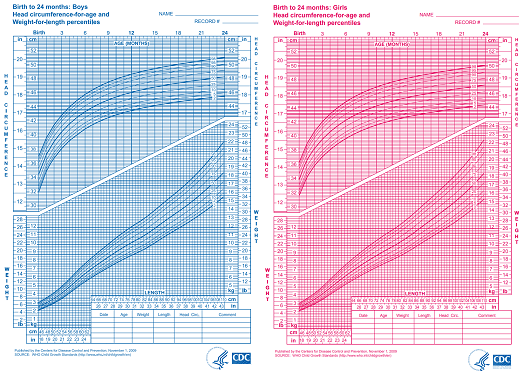
Normal growth is assessed using weight, length or height, head circumference (especially in children under 3 years), body mass index (BMI), and growth velocity measured over time.

How much weight gain is normal in infancy?

A healthy term infant regains birth weight by 10–14 days, doubles birth weight by 4–6 months, and triples birth weight by 12 months.

What is normal height or length gain in the first year of life?

Infants grow approximately 25 cm in length during the first year of life, with the fastest growth occurring in the first 6 months.

What is growth velocity and why is it important?

Growth velocity is the rate of increase in height or weight over time. It is important because a reduced growth velocity may indicate underlying nutritional, endocrine, or systemic disease even if current measurements appear normal.

What growth percentile range is considered normal?

Children growing consistently between the 5th and 85th percentiles are generally considered to have normal growth, provided growth velocity is appropriate and stable.

Why is head circumference important in early childhood?

Head circumference reflects brain growth. Abnormal increases or decreases may indicate conditions such as hydrocephalus, microcephaly, or neurologic disorders.

What factors influence normal growth in children?

Growth is influenced by genetics, nutrition, hormonal status, chronic illness, psychosocial environment, and overall health.

What is mid-parental height and its clinical use?

Mid-parental height estimates a child’s genetic growth potential and helps determine whether a child’s growth pattern is appropriate for family background.

What is the normal pattern of growth during puberty?

Puberty is characterized by a rapid growth spurt. Girls usually reach peak height velocity before menarche, while boys experience peak growth later and grow for a longer duration.

When should abnormal growth be suspected?

Abnormal growth should be suspected when a child crosses two or more major percentile lines downward, has poor growth velocity, or shows disproportionate growth.

What is the difference between wasting and stunting?

Wasting refers to low weight-for-height indicating acute malnutrition, while stunting refers to low height-for-age indicating chronic malnutrition or long-standing illness.

How is BMI used in pediatric growth assessment?

BMI-for-age percentiles are used in children older than 2 years to classify underweight, normal weight, overweight, and obesity.

Can children with short parents have normal growth?

Yes, children with short parents may have familial short stature, characterized by normal growth velocity and consistent tracking along a lower percentile.

Why is serial growth measurement more important than a single measurement?

Serial measurements reveal growth trends and velocity, which are more reliable indicators of normal or abnormal growth than a single isolated value.

MCQ Test - Normal Growth in Pediatrics: Weight, Height, Head Circumference and Growth Patterns

Progress:
0/15
Time: 00:00

1 A term newborn weighs 3.0 kg at birth. At 5 months, the infant weighs 6.0 kg and is thriving on exclusive breastfeeding. What is the best interpretation of this growth pattern?

Explanation:

Normal infant growth includes doubling of birth weight by 4–6 months and tripling by 12 months, so this pattern is appropriate.

2 A 2-year-old boy was consistently at the 50th percentile for height but now falls to the 5th percentile at 3 years, crossing multiple percentile lines. What is the most concerning implication?

Explanation:

Crossing down two or more major percentile channels suggests abnormal growth and warrants investigation for systemic or endocrine disease.

3 A 6-month-old infant has normal weight gain but head circumference drops from the 50th percentile at birth to below the 3rd percentile. What is the most appropriate next step?

Explanation:

Head circumference reflects brain growth; progressive decline may indicate microcephaly or underlying neurologic disorder.

4 A 9-year-old child grows only 3 cm in one year. He also has fatigue, constipation, and cold intolerance. What is the most likely cause of poor growth velocity?

Explanation:

Hypothyroidism commonly causes reduced linear growth velocity along with systemic symptoms such as constipation and fatigue.

5 A 14-year-old girl presents with short stature and delayed puberty. Bone age is significantly delayed. Which investigation is most useful initially?

Explanation:

Bone age assessment helps differentiate constitutional delay from endocrine or systemic causes of short stature.

6 A preterm infant shows rapid catch-up growth during the first 2 years. Which statement is correct?

Explanation:

Preterm infants often demonstrate catch-up growth, and corrected age should be used until around 2 years.

7 A 4-year-old has weight-for-height below the 5th percentile while height-for-age remains normal. What does this pattern suggest?

Explanation:

Low weight-for-height with preserved height suggests wasting, often due to acute undernutrition.

8 A 7-year-old child has tracked consistently along the 3rd percentile for height since infancy. Growth velocity is normal and parents are also short. What is the most likely diagnosis?

Explanation:

Familial short stature shows stable low percentiles with normal growth velocity and short parental heights.

9 A 10-year-old boy rises from the 50th percentile to the 97th percentile for height over 2 years. What is the most concerning cause?

Explanation:

Rapid upward crossing of percentiles may indicate endocrine pathology such as precocious puberty or hormone excess.

10 A newborn loses 9% of birth weight by day 3 but regains birth weight by day 12. What is the best interpretation?

Explanation:

Term newborns normally lose up to 10% weight in the first week and regain birth weight by 10–14 days.

11 A 5-year-old has reduced height velocity with excessive weight gain. Which endocrine disorder is most likely?

Explanation:

Growth hormone deficiency causes short stature with reduced growth velocity and relatively increased weight.

12 A child’s BMI is at the 97th percentile for age. How is this classified?

Explanation:

BMI ≥95th percentile for age defines obesity in pediatrics.

13 A 12-year-old boy has delayed puberty, bone age delayed by 2 years, and normal growth velocity. What is the most likely diagnosis?

Explanation:

Constitutional delay shows delayed bone age with normal growth velocity and late puberty onset.

14 A 3-year-old with chronic diarrhea has poor weight gain and declining height percentile. What is the most likely mechanism?

Explanation:

Chronic gastrointestinal disease causes malabsorption, leading to poor weight gain and impaired linear growth.

15 A 13-year-old girl has completed her growth spurt and height velocity has slowed significantly after menarche. Which statement is correct?

Explanation:

In girls, peak height velocity occurs before menarche, and growth slows significantly afterward.

Test Results

0%
0/15
0
Correct Answers
0
Wrong Answers
00:00
Time Taken
0
Skipped
View Exam Mode MCQs (1770622820-index-7-.html)

Related Articles

Comments