This article is being expanded for more depth. Check back soon!

Neonatal Hypothermia and Hypoglycemia Diagnosis Causes Management Guide
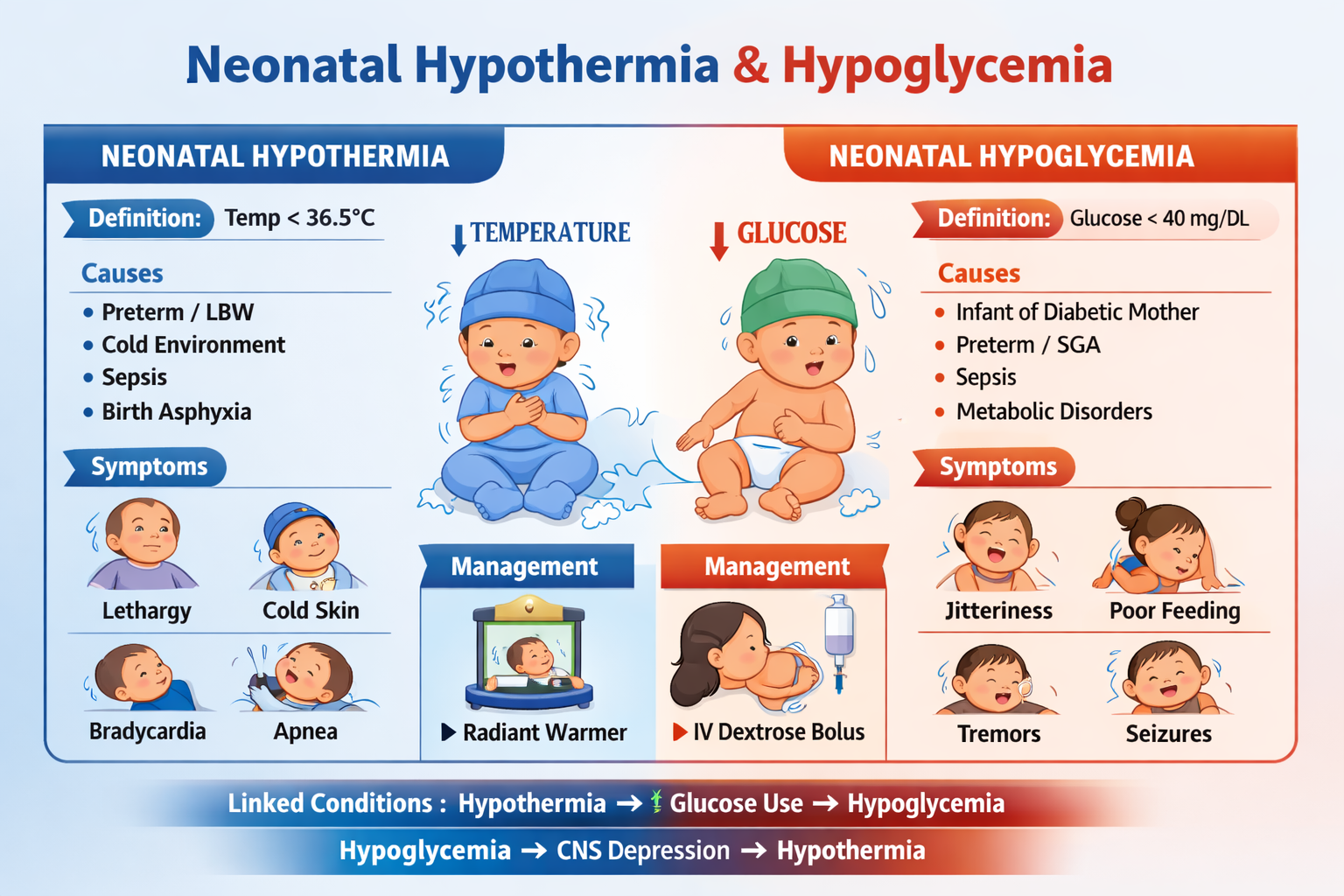
Author: Medical Editorial Team – Board-certified physicians with 10+ years in emergency medicine. Learn more.

Illustration of Neonatal Hypothermia and Hypoglycemia Diagnosis Causes Management Guide symptoms

Medical Disclaimer: This is educational content only, not medical advice. Consult a licensed healthcare provider for diagnosis/treatment. Information based on sources like WHO/CDC guidelines (last reviewed: 2026-02-13).

About the Author: Dr. Dinesh, MBBS, is a qualified medical doctor with over [2 years – add your experience] of experience in general medicine As the owner and lead content creator of LearnWithTest.pro, Dr. Dinesh ensures all articles are based on evidence-based guidelines from sources like WHO, CDC, and peer-reviewed journals. This content is for educational purposes only and not a substitute for professional medical advice.

Contact Details: For inquiries or collaborations, reach out at:

All content is reviewed for accuracy and updated regularly (last review: January 10, 2026). We prioritize trustworthiness by citing reliable sources and adhering to medical ethics.

Frequently Asked Questions

What is neonatal hypothermia?

Neonatal hypothermia is defined as a newborn core body temperature below 36.5°C. It occurs because neonates have immature thermoregulation, large surface area, thin skin, and limited fat stores.

How is neonatal hypothermia classified by WHO?

WHO classifies neonatal hypothermia as mild (36.0–36.4°C), moderate (32.0–35.9°C), and severe (<32°C).

Why are newborns at high risk of hypothermia?

Newborns lose heat rapidly due to large surface area-to-weight ratio, minimal subcutaneous fat, inability to shiver effectively, and reliance on brown fat metabolism for heat production.

What are the major causes of neonatal hypothermia?

Major causes include cold delivery environments, delayed drying and wrapping, prematurity, low birth weight, neonatal sepsis, birth asphyxia, and inadequate warming during transport.

What are the clinical signs of neonatal hypothermia?

Signs include cold skin, lethargy, poor feeding, tachypnea, bradycardia, apnea, metabolic acidosis, hypoglycemia, and increased risk of sepsis.

What is neonatal hypoglycemia?

Neonatal hypoglycemia refers to low blood glucose levels in newborns, commonly defined as <45 mg/dL after 24 hours of life, which can cause neuroglycopenia and seizures if untreated.

Which newborns are at highest risk for hypoglycemia?

High-risk groups include infants of diabetic mothers, preterm babies, small for gestational age infants, large for gestational age infants, babies with sepsis, hypothermia, or birth asphyxia.

What are the symptoms of neonatal hypoglycemia?

Symptoms include jitteriness, tremors, poor feeding, lethargy, apnea, hypotonia, cyanosis, and seizures in severe or prolonged cases.

How are neonatal hypothermia and hypoglycemia related?

Hypothermia increases glucose consumption due to cold stress, leading to hypoglycemia. Hypoglycemia causes CNS depression, reducing thermoregulation and worsening hypothermia.

What is the first-line treatment for symptomatic neonatal hypoglycemia?

Symptomatic or severe hypoglycemia is treated immediately with 10% dextrose bolus 2 mL/kg IV, followed by continuous glucose infusion with close monitoring.

How is neonatal hypothermia managed?

Management includes immediate drying, skin-to-skin warming for mild cases, radiant warmer or incubator care for moderate cases, controlled rewarming in NICU for severe cases, and treating underlying causes like sepsis.

What complications can occur if neonatal hypothermia is untreated?

Untreated hypothermia can cause hypoglycemia, metabolic acidosis, respiratory failure, persistent pulmonary hypertension, shock, and increased neonatal mortality.

What complications can occur if neonatal hypoglycemia is untreated?

Untreated hypoglycemia can lead to seizures, permanent brain injury, developmental delay, cerebral palsy, and increased risk of death.

What investigations are important in recurrent neonatal hypoglycemia?

Key investigations include plasma glucose confirmation, insulin levels, ketones, cortisol, growth hormone, metabolic screening, and evaluation for congenital hyperinsulinism or endocrine disorders.

How can neonatal hypothermia and hypoglycemia be prevented?

Prevention includes maintaining the warm chain at birth, early drying and wrapping, kangaroo mother care, early breastfeeding, screening high-risk newborns, and ensuring proper NICU thermal support.

MCQ Test - Neonatal Hypothermia and Hypoglycemia Diagnosis Causes Management Guide

Progress:
0/15
Time: 00:00

1 A preterm neonate (30 weeks) is found lethargic with an axillary temperature of 35.2°C and blood glucose of 24 mg/dL. What is the most appropriate immediate management?

Explanation:

Moderate hypothermia with symptomatic severe hypoglycemia requires urgent combined treatment: controlled warming and immediate IV glucose to prevent seizures, metabolic acidosis, and death.

2 A term infant of a diabetic mother develops jitteriness at 1 hour of life. Blood glucose is 18 mg/dL. What is the correct first-line therapy?

Explanation:

Symptomatic neonatal hypoglycemia (<25 mg/dL) requires immediate IV dextrose bolus before feeds to prevent neuroglycopenic injury.

3 A low birth weight neonate exposed to cold transport develops hypothermia and metabolic acidosis. Which mechanism explains the acidosis?

Explanation:

Cold stress increases oxygen demand; inadequate perfusion leads to anaerobic metabolism and lactic acidosis.

4 A neonate remains hypoglycemic despite glucose infusion rate (GIR) of 10 mg/kg/min. Insulin is elevated and ketones are absent. Most likely diagnosis?

Explanation:

Persistent hypoglycemia with high insulin and suppressed ketones strongly suggests congenital hyperinsulinism.

5 A severely hypothermic newborn (31°C) is being rewarmed rapidly. The infant develops hypotension and arrhythmia. Best explanation?

Explanation:

Severe hypothermia requires slow controlled rewarming; rapid warming can precipitate shock and arrhythmias.

6 A newborn has hypothermia and recurrent hypoglycemia with elevated CRP and poor perfusion. What is the most important next step?

Explanation:

Hypothermia and hypoglycemia may be early signs of neonatal sepsis and require urgent antibiotics along with glucose correction.

7 A newborn with hypoglycemia has hepatomegaly, jaundice, vomiting after milk feeds, and reducing substances in urine. Diagnosis?

Explanation:

Galactosemia presents with feeding intolerance, liver dysfunction, hypoglycemia, and reducing sugars in urine.

8 A hypothermic neonate develops persistent pulmonary hypertension of the newborn (PPHN). What is the key pathophysiologic link?

Explanation:

Hypothermia increases pulmonary vascular resistance via vasoconstriction and worsens hypoxemia, leading to PPHN.

9 An asymptomatic newborn at 10 hours of life has glucose 38 mg/dL. Best management?

Explanation:

Mild asymptomatic hypoglycemia can often be managed with feeding and close monitoring before IV therapy.

10 A neonate with hypothermia has the greatest initial heat loss immediately after delivery through which mechanism?

Explanation:

Evaporation is the most significant heat loss immediately after birth if the baby is not dried promptly.

11 A baby is rewarmed after hypothermia but suddenly develops seizures. Blood glucose is 16 mg/dL. Most likely cause?

Explanation:

Rewarming raises metabolic rate and glucose utilization, potentially precipitating hypoglycemia if not corrected.

12 A neonate with refractory hypoglycemia is treated with glucagon. Mechanism of glucagon?

Explanation:

Glucagon increases blood glucose by mobilizing glycogen stores and promoting gluconeogenesis.

13 A neonate has hypoglycemia with low cortisol and low ACTH. Most likely disorder?

Explanation:

Low cortisol with low ACTH indicates pituitary dysfunction causing secondary adrenal insufficiency.

14 A neonate with persistent hypoglycemia due to hyperinsulinism is started on diazoxide. Mechanism?

Explanation:

Diazoxide inhibits insulin release by opening ATP-sensitive potassium channels in pancreatic beta cells.

15 Mother asks best prevention strategy for neonatal hypothermia and hypoglycemia after discharge. Best advice?

Explanation:

Kangaroo mother care, warm chain practices, and early breastfeeding are key preventive measures against both hypothermia and hypoglycemia.

Test Results

0%
0/15
0
Correct Answers
0
Wrong Answers
00:00
Time Taken
0
Skipped
View Exam Mode MCQs (1770614737-index-5-.html)

Related Articles

Comments