Below is a clear, exam-oriented yet complete description of the glands in the head and neck, without images, suitable for medical students, anatomy revision, and clinical correlation.
Glands of the Head and Neck – Detailed Anatomy
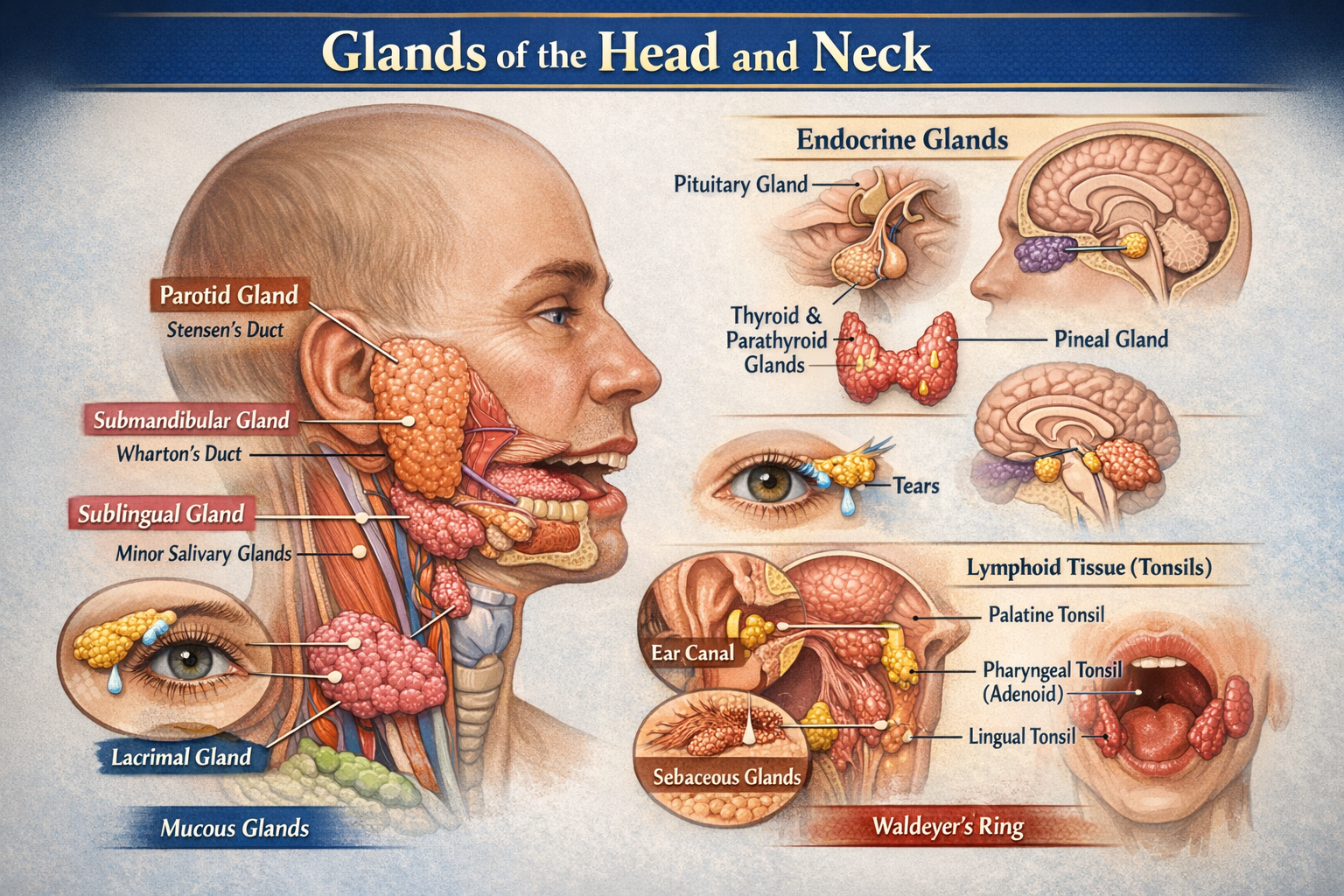
Glands in the head and neck are primarily exocrine glands involved in saliva production, lubrication, immunity, thermoregulation, and endocrine regulation. They are classified into salivary glands, endocrine glands, mucous glands, sebaceous glands, and specialized glands.
I. SALIVARY GLANDS
Responsible for saliva secretion → lubrication, digestion (amylase), oral hygiene.
A. Major Salivary Glands
1. Parotid Gland
- Largest salivary gland
- Type: Pure serous
- Location:
* In the parotid bed
* Anterior to ear, posterior to ramus of mandible
- Relations (Superficial to deep):
* Skin → fascia → facial nerve → retromandibular vein → external carotid artery
- Duct: Stensen’s duct
* Opens opposite upper second molar
- Nerve supply:
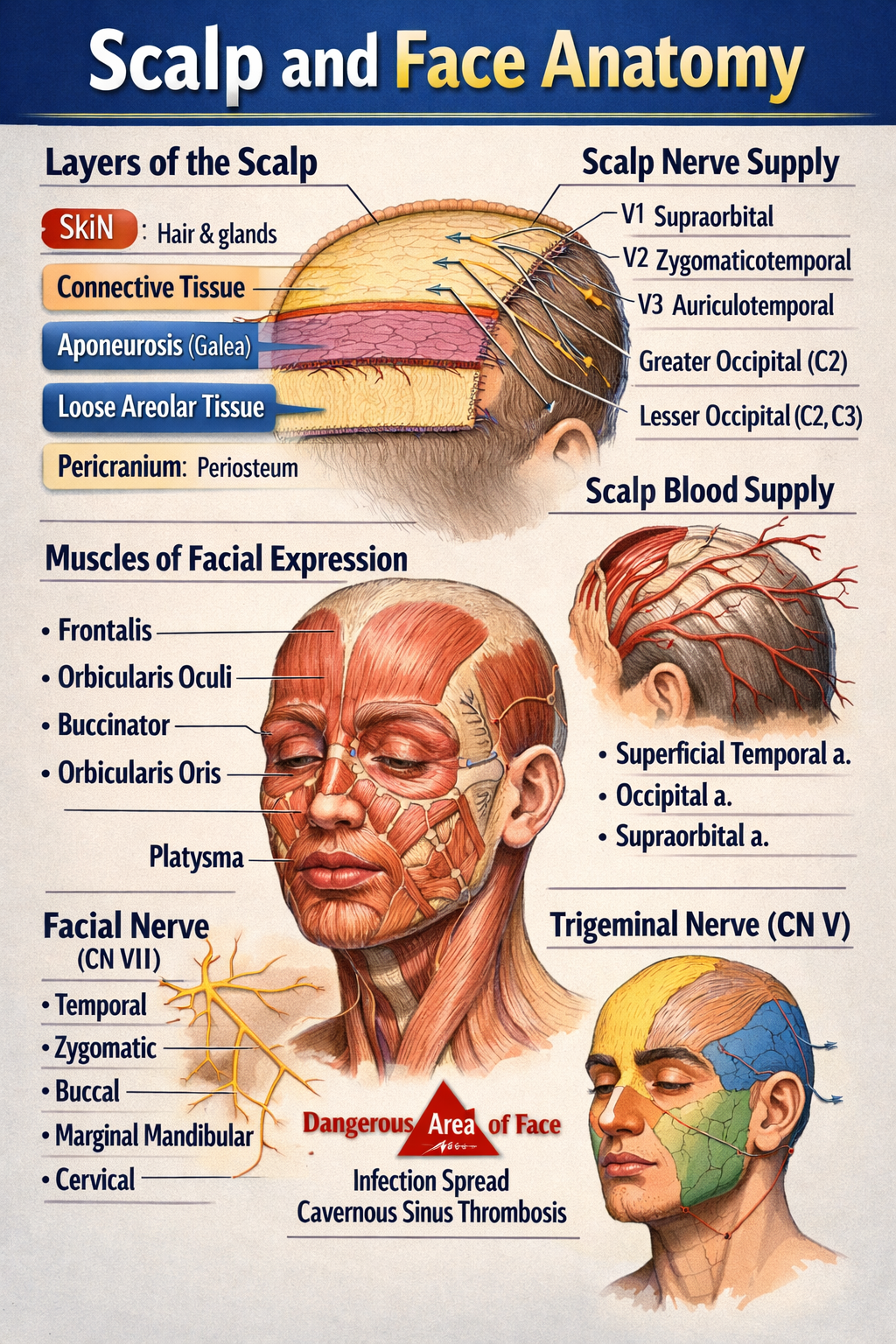
* Parasympathetic: Glossopharyngeal nerve (CN IX) via otic ganglion
- Clinical relevance:
* Parotitis (mumps)
* Facial nerve injury during surgery
2. Submandibular Gland
- Type: Mixed (predominantly serous)
- Location:
* Submandibular triangle
* Superficial and deep parts around mylohyoid muscle
- Duct: Wharton’s duct
* Opens at sublingual papilla
- Nerve supply:
* Parasympathetic: Facial nerve (CN VII) via chorda tympani
- Clinical relevance:
* Common site of salivary stones (sialolithiasis)
3. Sublingual Gland
- Smallest major gland
- Type: Mixed (predominantly mucous)
- Location:
* Floor of mouth
* Beneath mucosa, above mylohyoid
- Ducts: Multiple ducts of Rivinus
- Nerve supply:
* Facial nerve (CN VII)
- Clinical relevance:
* Ranula (mucous cyst)
B. Minor Salivary Glands
- Numerous small glands embedded in mucosa
- Locations:
* Lips
* Cheeks
* Tongue
* Soft palate
- Type: Mostly mucous
- Clinical importance:
* Tumors (often malignant)
II. ENDOCRINE GLANDS OF HEAD AND NECK
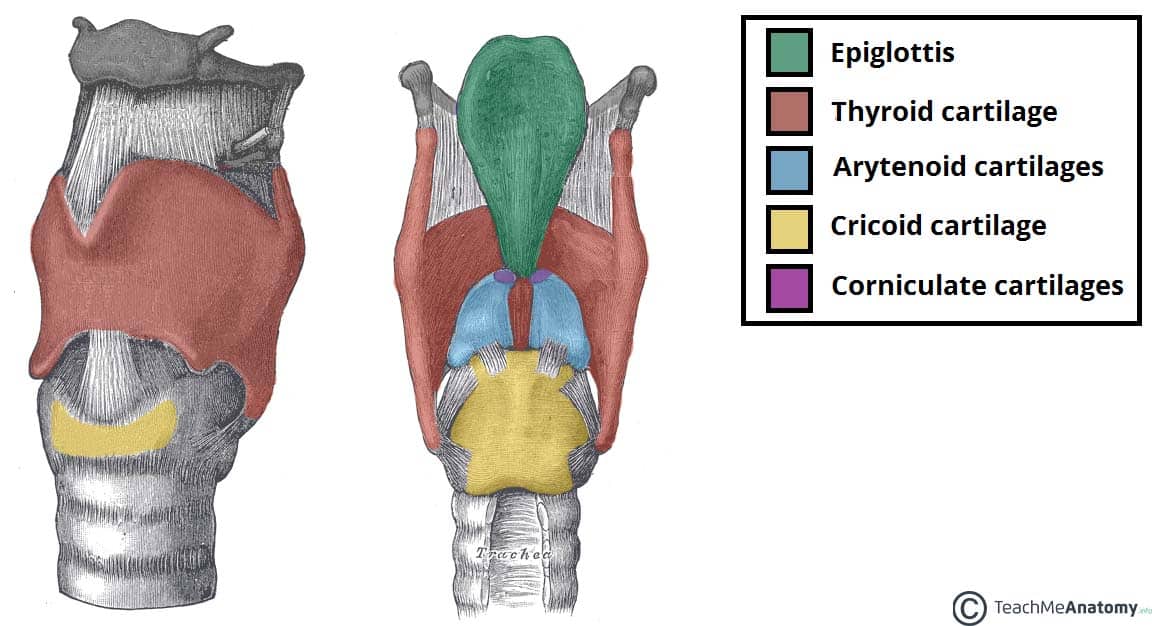
1. Thyroid Gland
- Largest endocrine gland
- Location:
* Anterior neck
* Opposite C5–T1 vertebrae
- Structure:
* Two lobes + isthmus
- Hormones:
* T3, T4 → metabolism
* Calcitonin → calcium regulation
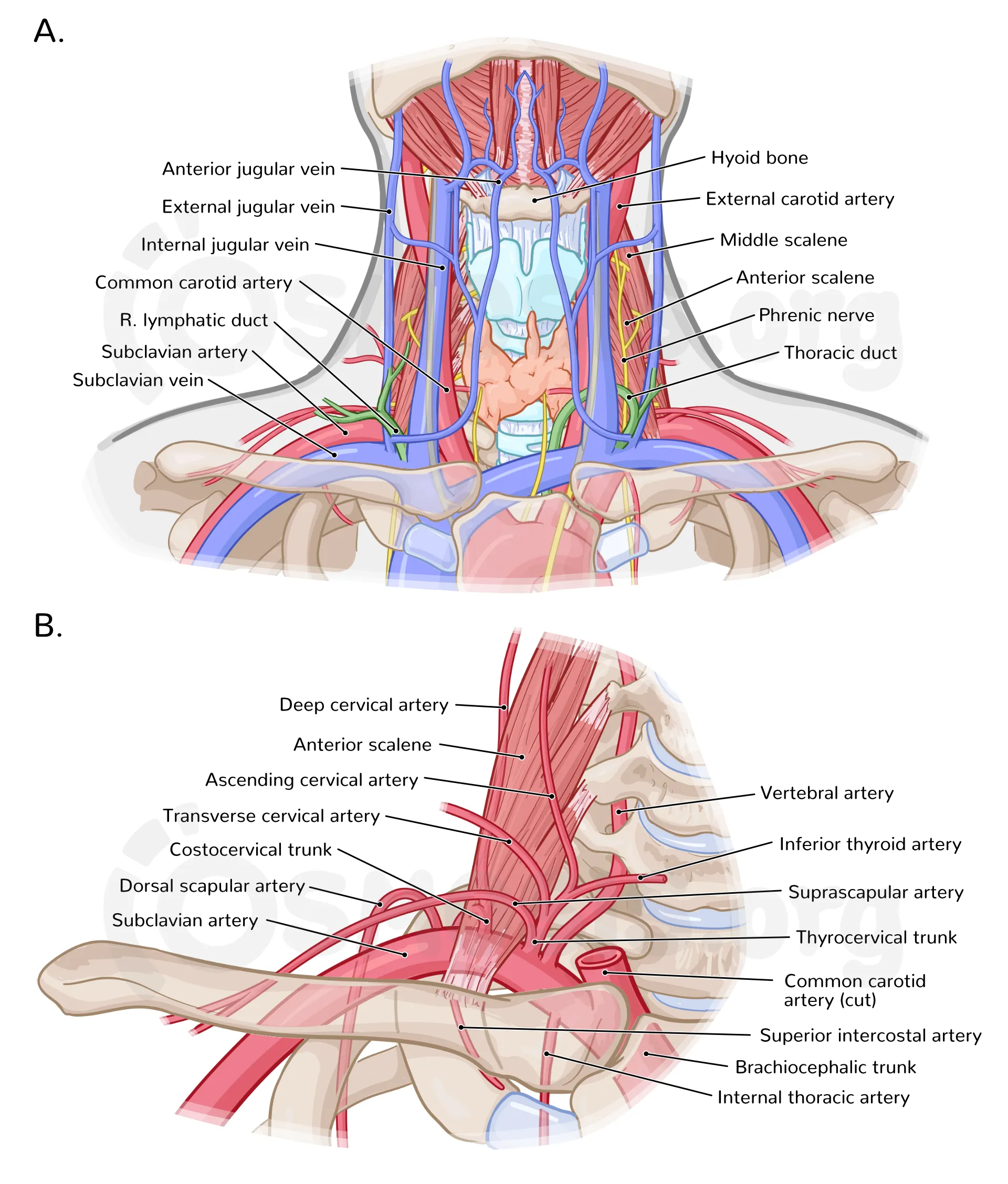
- Blood supply:
* Superior thyroid artery
* Inferior thyroid artery
- Clinical relevance:
* Goiter
* Hypothyroidism, hyperthyroidism
2. Parathyroid Glands
- Usually four glands
- Location:
* Posterior surface of thyroid
- Hormone:
* Parathyroid hormone (PTH)
- Function:
* Increases blood calcium
- Clinical relevance:
* Hypocalcemia after thyroid surgery
3. Pituitary Gland
- Master endocrine gland
- Location:
* Sella turcica of sphenoid bone
- Divisions:
* Anterior pituitary
* Posterior pituitary
- Function:
* Controls growth, reproduction, stress response
- Clinical relevance:
* Pituitary adenomas
4. Pineal Gland
- Location:
* Roof of third ventricle
- Hormone:
* Melatonin
- Function:
* Circadian rhythm regulation
III. MUCOUS GLANDS
Nasal Glands
- Found in nasal mucosa
- Produce mucus to humidify air
Palatine Glands
- Located in soft palate
- Lubricate food during swallowing
IV. SEBACEOUS GLANDS
- Associated with hair follicles
- Abundant on:
* Face
* Scalp
- Produce sebum
- Clinical relevance:
* Acne vulgaris
* Sebaceous cysts
V. SWEAT GLANDS (MODIFIED)
Ceruminous Glands
- Located in external auditory canal
- Produce ear wax (cerumen)
- Protect tympanic membrane
VI. SPECIALIZED GLANDS
Lacrimal Gland
- Produces tears
- Located in superolateral orbit
- Drains into conjunctival sac
- Clinical relevance: Dry eye syndrome
VII. LYMPHOID GLANDULAR STRUCTURES
Tonsils (Waldeyer’s Ring)
- Palatine tonsils
- Pharyngeal tonsil (adenoids)
- Lingual tonsils
- Function: Immune defense
SUMMARY TABLE
| Gland | Type | Function |
| ------------- | --------- | ---------------- |
| Parotid | Serous | Saliva (amylase) |
| Submandibular | Mixed | Saliva |
| Sublingual | Mucous | Lubrication |
| Thyroid | Endocrine | Metabolism |
| Parathyroid | Endocrine | Calcium balance |
| Pituitary | Endocrine | Hormonal control |
| Lacrimal | Exocrine | Tear secretion |
If you want next:
- SEO-friendly version
- MCQs (case-based)
- FAQ JSON schema
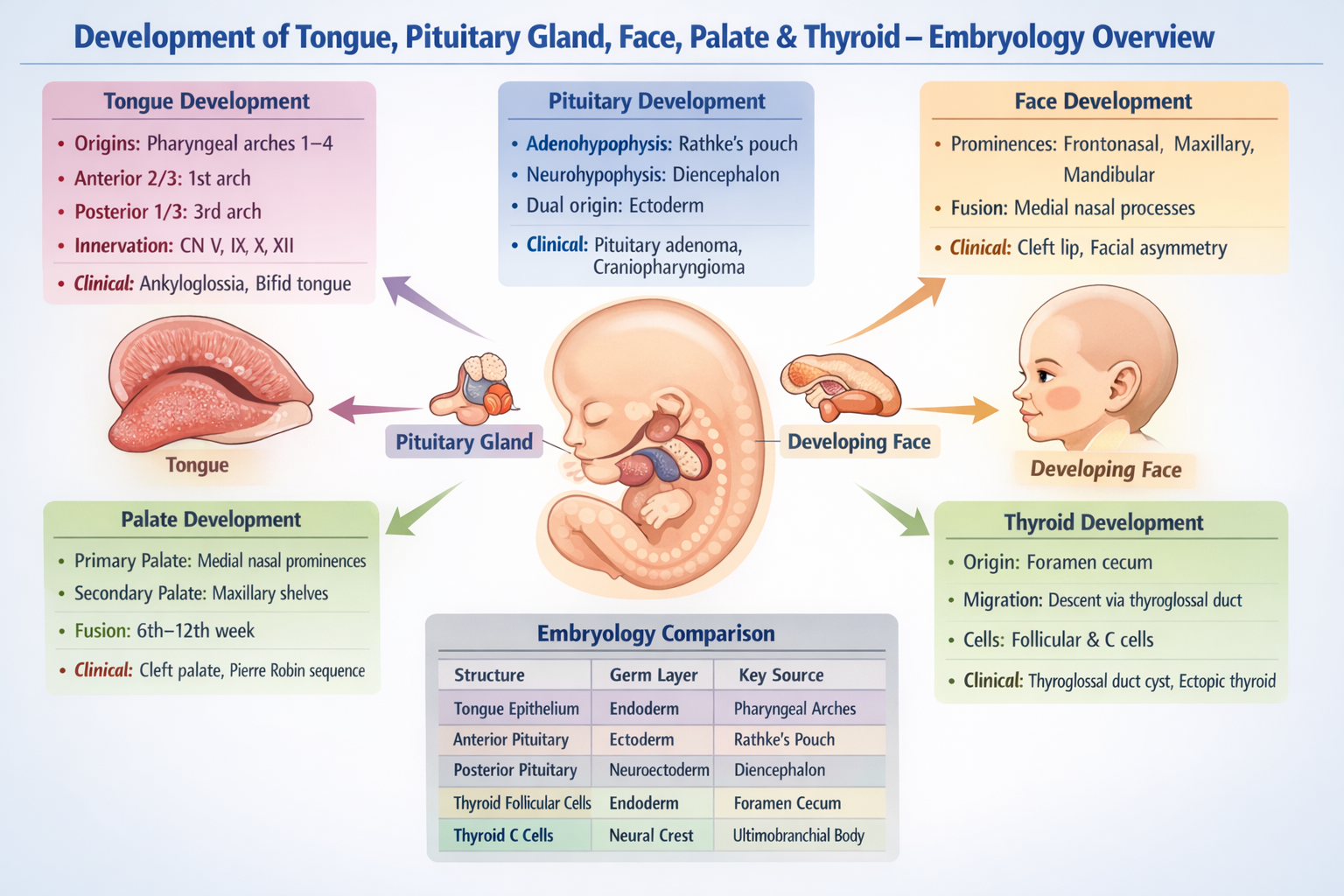
- Embryological development
- Clinical correlations only
Just tell me 👍