General Physiology — Complete Detailed Overview
Definition
Physiology is the branch of biology that studies the normal functions of living organisms and their parts, including cells, tissues, organs, and organ systems.
General Physiology focuses on the basic functional principles that apply to all cells, tissues, and systems of the body.
1. Levels of Organization in the Human Body
- Chemical Level — atoms, molecules, proteins
- Cellular Level — basic unit of life
- Tissue Level — groups of similar cells
- Organ Level — combination of tissues
- System Level — organ systems
- Organism Level — whole human body
2. Cell Physiology (Basic Functional Unit)
Cell Functions
- Metabolism
- Growth and repair
- Reproduction
- Communication
- Movement
- Energy production
Cell Components and Roles
- Cell membrane — selective permeability
- Nucleus — genetic control
- Mitochondria — ATP production
- Ribosomes — protein synthesis
- Endoplasmic reticulum — transport
- Golgi apparatus — packaging
- Lysosomes — intracellular digestion
3. Transport Across Cell Membrane
Passive Transport
- Diffusion
- Facilitated diffusion
- Osmosis
Active Transport
- Sodium-potassium pump
- Carrier-mediated transport
- Endocytosis and exocytosis
4. Homeostasis
Definition
Homeostasis is the ability of the body to maintain a stable internal environment despite external changes.
Examples
- Temperature regulation
- Blood glucose control
- Blood pressure regulation
- pH balance
Feedback Mechanisms
- Negative feedback (most common)
- Positive feedback (labor, blood clotting)
5. Metabolism and Energy Production
Catabolism
Breakdown of molecules to release energy
Anabolism
Synthesis of molecules for growth and repair
ATP Production
- Glycolysis
- Krebs cycle
- Electron transport chain
6. Enzymes and Biological Reactions
Functions of Enzymes
- Speed up chemical reactions
- Reduce activation energy
- Specific for substrates
Factors Affecting Enzyme Activity
- Temperature
- pH
- Substrate concentration
- Presence of inhibitors
7. Nerve Physiology (Excitable Tissue)
Resting Membrane Potential
Maintained by sodium-potassium pump
Action Potential
- Depolarization
- Repolarization
- Hyperpolarization
Nerve Impulse Transmission
- Electrical conduction
- Saltatory conduction in myelinated nerves
Synaptic Transmission
- Neurotransmitter release
- Receptor binding
- Signal termination
8. Muscle Physiology
Types of Muscles
- Skeletal muscle — voluntary
- Smooth muscle — involuntary
- Cardiac muscle — heart
Muscle Contraction Mechanism
- Sliding filament theory
- Role of actin and myosin
- Calcium-mediated contraction
Energy Sources
- ATP
- Creatine phosphate
- Anaerobic glycolysis
9. Blood and Hematology Basics
Functions of Blood
- Transport
- Protection (immune defense)
- Regulation (temperature, pH)
Blood Components
- Red blood cells — oxygen transport
- White blood cells — immunity
- Platelets — clotting
- Plasma — nutrients and hormones
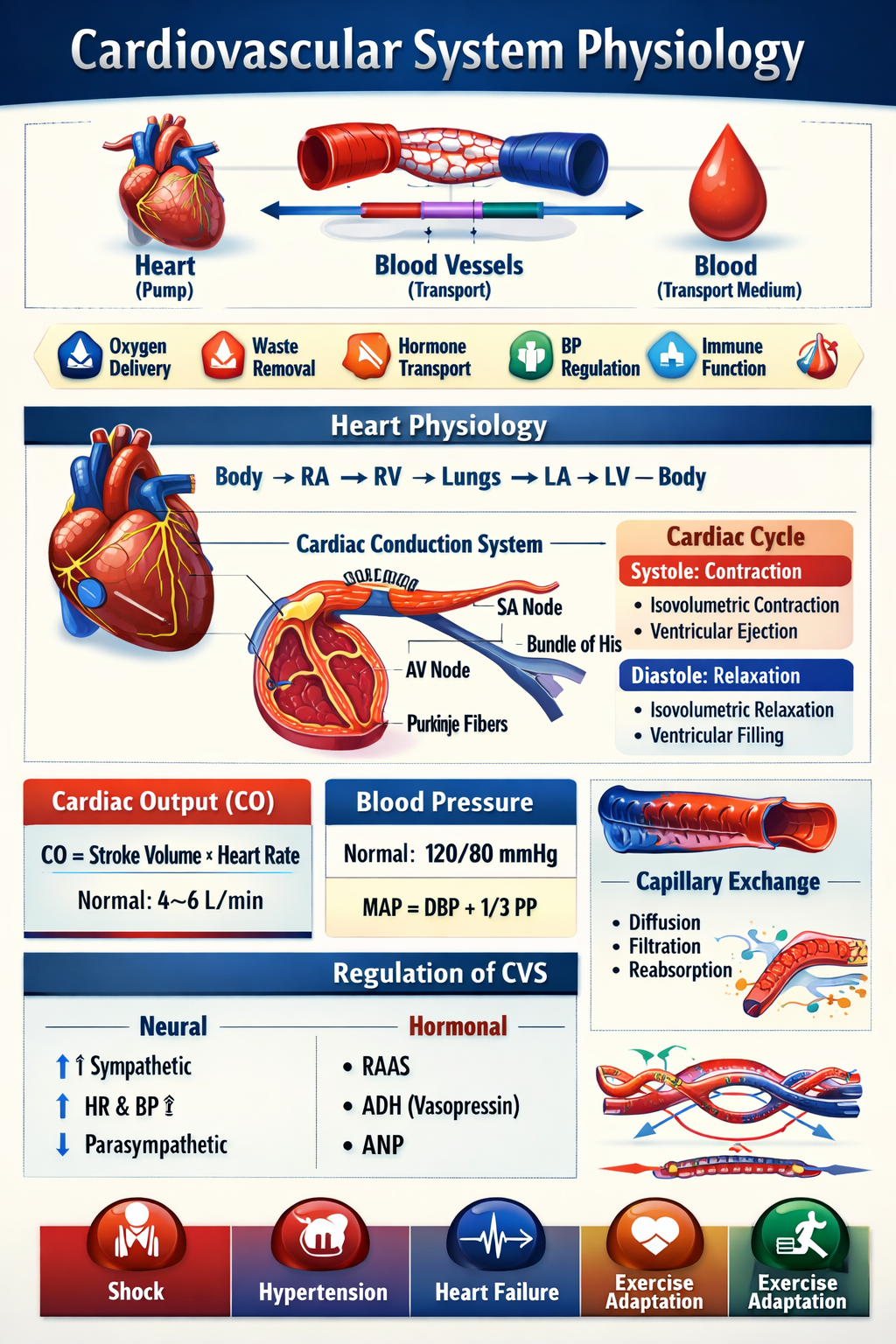
10. Cardiovascular Physiology
Heart Function
- Pumping blood
- Cardiac cycle
- Stroke volume and cardiac output
Blood Pressure Regulation
- Autonomic nervous system
- Hormonal control
- Baroreceptor reflex
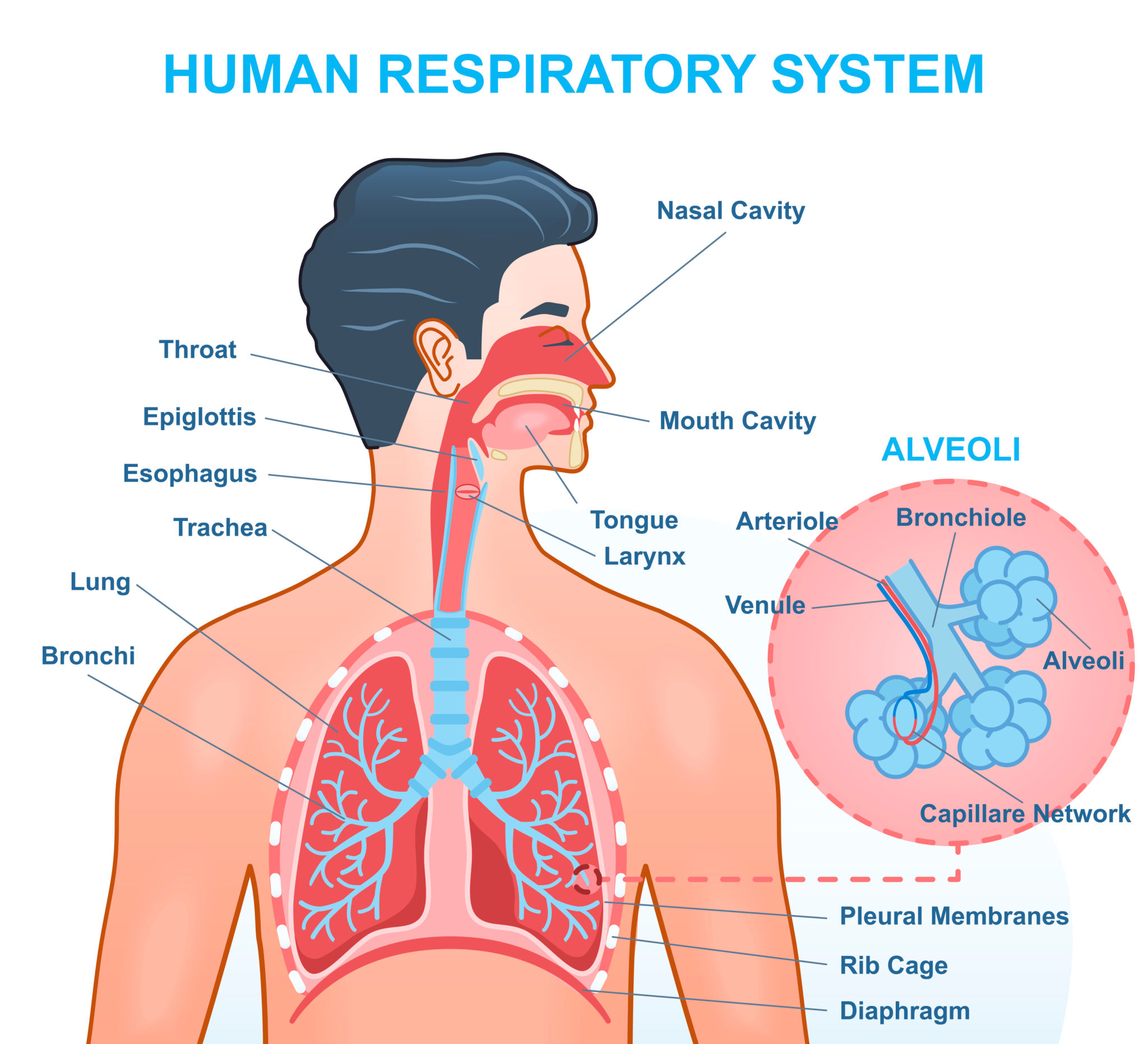
11. Respiratory Physiology
Functions
- Oxygen uptake
- Carbon dioxide removal
- Acid-base balance
Mechanism of Breathing
- Inspiration
- Expiration
- Gas exchange at alveoli
12. Renal (Kidney) Physiology
Functions
- Filtration of blood
- Waste removal
- Fluid balance
- Electrolyte regulation
- Blood pressure control
Urine Formation
- Filtration
- Reabsorption
- Secretion
13. Digestive Physiology
Processes
- Ingestion
- Digestion
- Absorption
- Assimilation
- Defecation
Digestive Secretions
- Saliva
- Gastric juice
- Pancreatic enzymes
- Bile
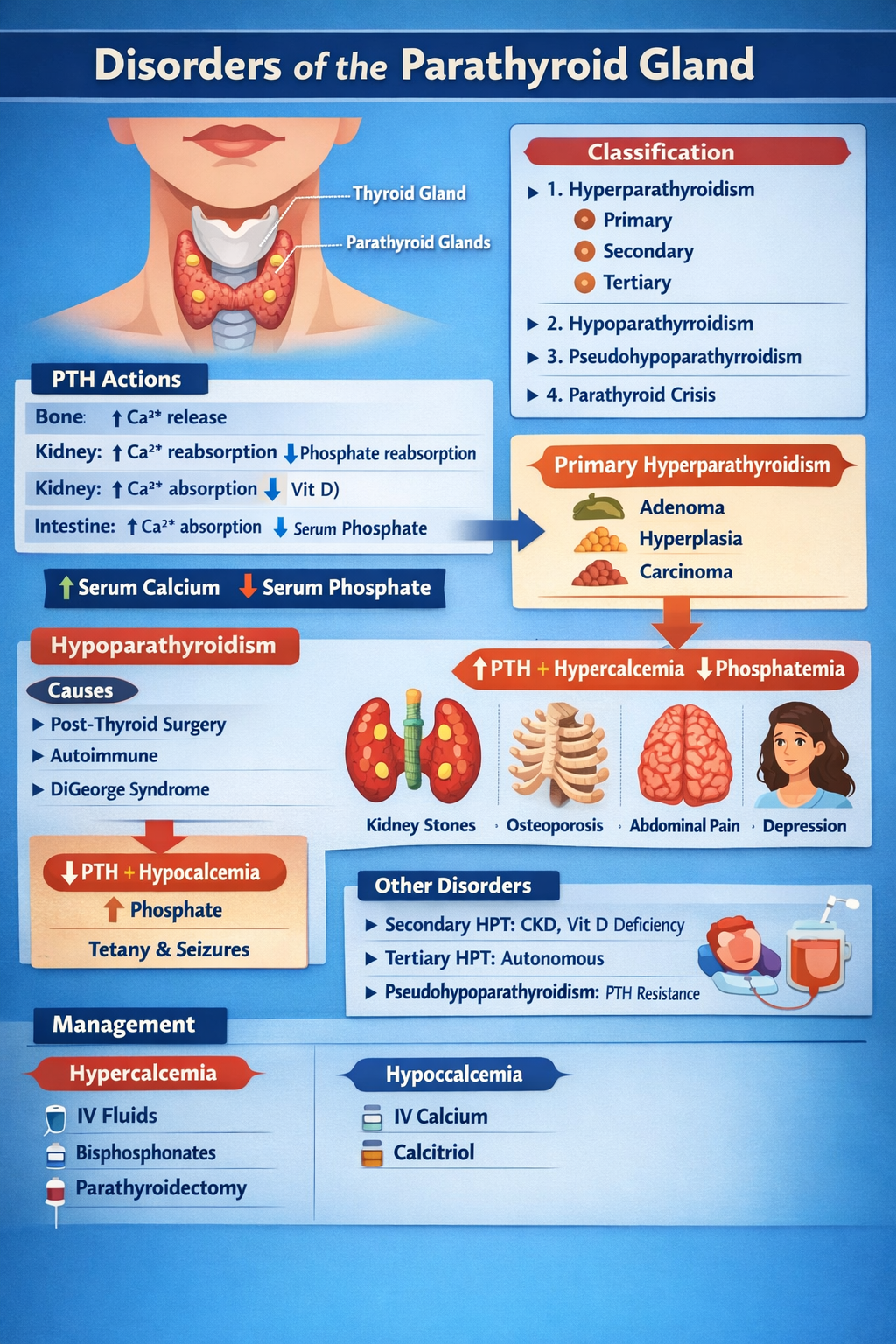
14. Endocrine Physiology
Hormones and Their Functions
- Insulin — glucose regulation
- Thyroxine — metabolism
- Cortisol — stress response
- Growth hormone — tissue growth
- Aldosterone — electrolyte balance
Hormonal Regulation
- Feedback control
- Receptor-mediated action
15. Reproductive Physiology
Male Functions
- Spermatogenesis
- Testosterone secretion
Female Functions
- Oogenesis
- Menstrual cycle
- Pregnancy and lactation
16. Immune Physiology
Innate Immunity
- Skin barrier
- Phagocytosis
- Natural killer cells
Adaptive Immunity
- B cells — antibodies
- T cells — cellular immunity
17. Sensory Physiology
Sensory Modalities
- Vision
- Hearing
- Taste
- Smell
- Touch
- Pain
- Proprioception
18. Acid-Base Balance
Normal Blood pH
7.35 – 7.45
Regulatory Mechanisms
- Buffer systems
- Respiratory regulation
- Renal regulation
19. Growth, Aging, and Adaptation
Physiological Adaptation
- Exercise adaptation
- Heat and cold acclimatization
- Stress adaptation
Aging Changes
- Reduced metabolism
- Loss of muscle mass
- Decreased organ function
20. Integration and Control Systems
Nervous System
Fast electrical control
Endocrine System
Slow hormonal control
Neuro-Endocrine Integration
Maintains overall body balance