Focus: Orthopedic Medicine and Pain Management
(Detailed, no images)
1. Definition
NSAIDs are a class of medications used to relieve pain, inflammation, and fever by inhibiting cyclooxygenase (COX) enzymes involved in prostaglandin synthesis.
2. Mechanism of Action (Pathophysiology Target)
NSAIDs block COX-1 and/or COX-2 enzymes, reducing prostaglandins responsible for:
- Pain signaling
- Inflammation
- Fever
- Gastric mucosal protection
- Platelet aggregation
- Renal blood flow regulation
COX-1 inhibition → GI & bleeding risks
COX-2 inhibition → Anti-inflammatory effect with fewer GI effects (but CV risks)
3. Common NSAIDs (Orthopedic Use)
Non-Selective COX Inhibitors
- Ibuprofen
- Diclofenac
- Naproxen
- Ketorolac
- Indomethacin
COX-2 Selective
- Celecoxib
- Etoricoxib
4. Uses in Orthopedic Medicine & Pain Management
A. Acute Musculoskeletal Pain
- Sprains, strains
- Trauma-related pain
- Post-operative orthopedic pain
B. Chronic Joint Disorders
- Osteoarthritis
- Rheumatoid arthritis
- Ankylosing spondylitis
C. Spine & Back Pain
- Lumbar spondylosis
- Disc-related pain
- Mechanical back pain
D. Soft Tissue Inflammation
- Bursitis
- Tendinitis
- Tenosynovitis
E. Post-Surgical Pain Control
- Orthopedic surgeries
- Fracture fixation recovery
F. Gout & Crystal Arthritis
- Acute gout flare
- Pseudogout
G. Sports Medicine
- Muscle overuse injuries
- Ligament inflammation
H. Neuropathic Pain (Adjunct Use)
- As supportive therapy with other agents
5. Benefits in Ortho Practice
- Reduces pain and swelling
- Improves joint mobility
- Enables early physiotherapy
- Reduces opioid requirement
- Enhances post-injury rehabilitation
6. Major Risks and Adverse Effects
A. Gastrointestinal (Most Common)
Risk:
- Gastritis
- Peptic ulcer
- GI bleeding
- Perforation
Mechanism: COX-1 inhibition reduces gastric mucosal protection
High-Risk Patients:
- Elderly
- History of ulcer
- Steroid or anticoagulant users
B. Cardiovascular Risks
Increased Risk:
- Myocardial infarction
- Stroke
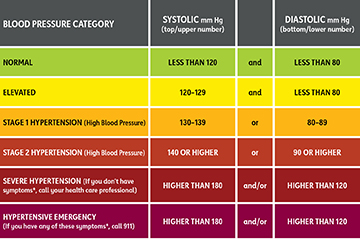
- Hypertension
- Heart failure exacerbation
Higher Risk With:
- COX-2 inhibitors
- Diclofenac
- Long-term high doses
C. Renal (Kidney) Toxicity
Effects:
- Acute kidney injury
- Fluid retention
- Electrolyte imbalance
- Worsening chronic kidney disease
High Risk:
- Elderly
- Dehydrated patients
- Diabetics
- CKD patients
D. Hepatic (Liver) Injury
- Elevated liver enzymes
- Rare hepatitis
- Diclofenac commonly implicated
E. Bleeding Risk
- Platelet inhibition
- Increased surgical bleeding
- Bruising
Important in orthopedic surgery planning
F. Allergic Reactions
- Rash
- Bronchospasm (Aspirin-sensitive asthma)
- Anaphylaxis (rare)
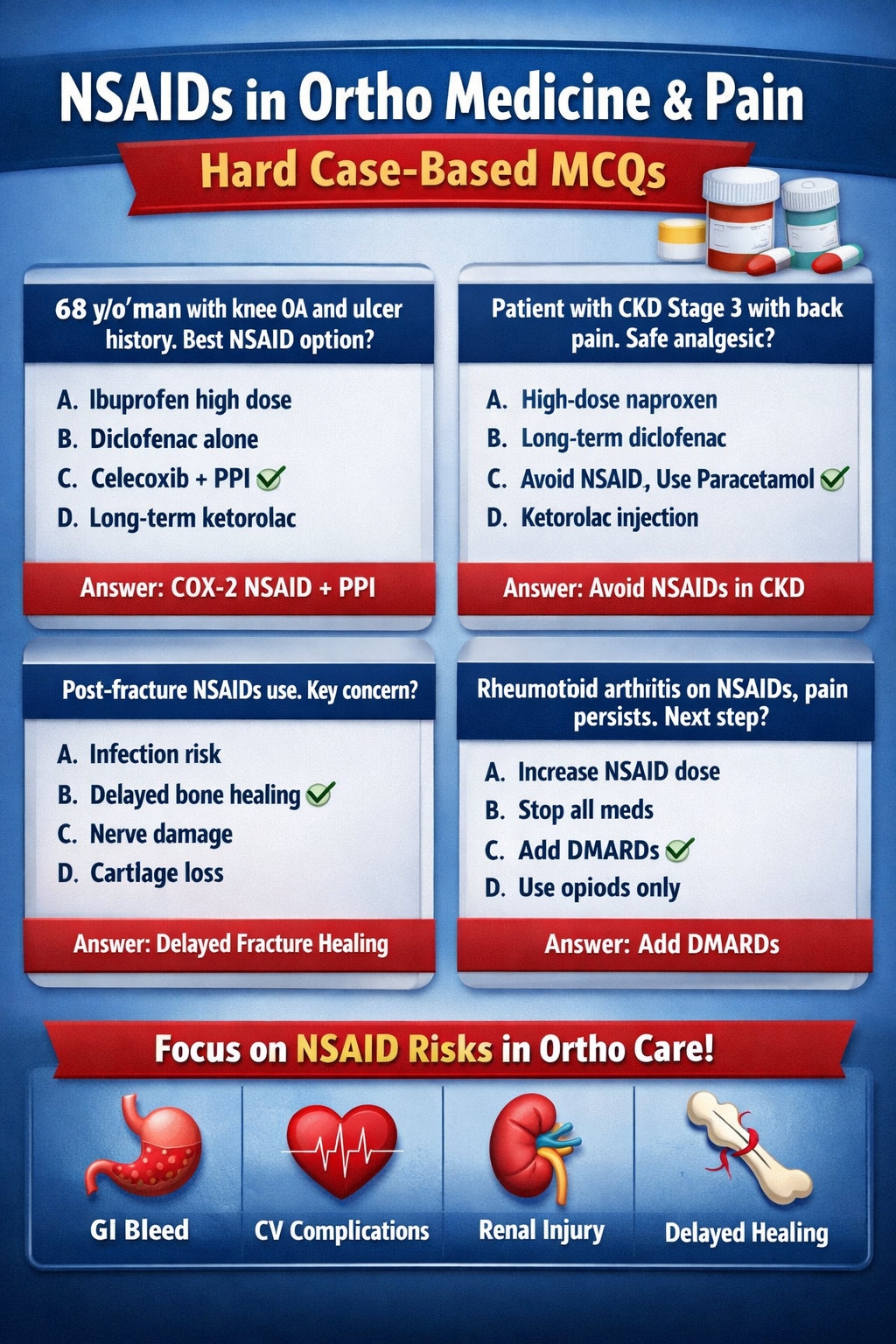
G. Delayed Bone Healing (Orthopedic Concern)
Possible Risks:
- Impaired fracture healing
- Delayed spinal fusion
- Reduced bone remodeling
Mechanism: Prostaglandin inhibition affects bone formation
H. Pregnancy Risks
- Premature closure of ductus arteriosus
- Fetal kidney injury
- Avoid in 3rd trimester
7. Contraindications
Absolute
- Active peptic ulcer or GI bleeding
- Severe kidney failure
- Severe liver disease
- NSAID hypersensitivity
- Late pregnancy
Relative
- Hypertension
- Heart disease
- Elderly
- Anticoagulant use
- Post-fracture healing phase
8. Safe Use Guidelines in Ortho & Pain Practice
Dose Principles
- Use lowest effective dose
- Shortest duration possible
Gastro-Protection
- Add PPI (Pantoprazole/Omeprazole) in high-risk patients
Monitoring
- Renal function (Creatinine)
- Liver enzymes
- Blood pressure
- Hemoglobin if long-term
Surgical Caution
- Stop NSAIDs before surgery to reduce bleeding
- Avoid long-term use in fracture healing unless necessary
9. NSAIDs vs Other Pain Options (Ortho Perspective)
| Condition | Preferred Option |
| ----------------------- | ----------------------------- |
| Mild pain | Paracetamol |
| Acute inflammatory pain | NSAIDs |
| Severe pain | NSAIDs + Opioid |
| Neuropathic pain | Gabapentin/Pregabalin |
| Chronic arthritis | NSAIDs + DMARDs |
| High GI/CV risk | Topical NSAIDs or Paracetamol |
10. Patient Counselling Points
- Take with food to reduce stomach irritation
- Avoid alcohol
- Do not combine multiple NSAIDs
- Report black stools, vomiting blood, swelling, or breathlessness
- Stay hydrated
- Avoid prolonged self-medication
11. Key Takeaway (Orthopedic & Pain Focus)
NSAIDs are highly effective for musculoskeletal pain and inflammation, but improper or prolonged use can lead to serious GI, cardiovascular, kidney, and bone-healing complications. In orthopedic practice, NSAIDs must be used judiciously, especially after fractures or surgery.