Normal Growth in Paediatrics
1. Definition
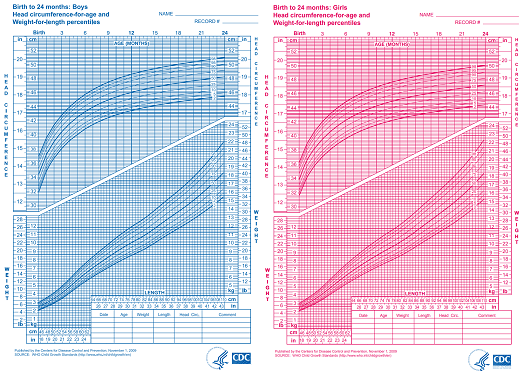
Normal growth refers to the increase in physical size and body mass of a child over time, reflecting healthy development. It is assessed using anthropometric measurements such as weight, length/height, head circumference, and body proportions, compared with standardized growth charts (e.g., WHO growth standards).
Growth represents the combined effect of genetics, nutrition, hormones, and environment.
2. Principles of Normal Growth
- Growth is continuous but not uniform (occurs in spurts).
- Cephalocaudal pattern: head grows first, then trunk, then limbs.
- Proximodistal pattern: center to periphery.
- Each child follows a growth percentile channel.
- Catch-up growth may occur after illness or malnutrition.
3. Anthropometric Measurements
A. Weight
Most sensitive indicator of nutrition.
| Age | Average Weight |
| -------- | ------------------- |
| Birth | 2.5 – 3.5 kg |
| 5 months | Double birth weight |
| 1 year | Triple birth weight |
| 2 years | ~12 kg |
| 5 years | ~18 kg |
| 10 years | ~30 kg |
Weight estimation formulas
Infants (3–12 months):
Weight (kg) = (Age in months + 9) / 2
Children (1–6 years):
Weight (kg) = (Age × 2) + 8
Children (7–12 years):
Weight (kg) = (Age × 7 − 5) / 2
B. Length / Height
| Age | Average Length/Height |
| ------- | --------------------- |
| Birth | 50 cm |
| 1 year | 75 cm |
| 2 years | 85 cm |
| 4 years | 100 cm |
Height estimation (2–12 years)
Height (cm) = (Age × 6) + 77
C. Head Circumference (HC)
Reflects brain growth.
| Age | HC |
| -------- | -------- |
| Birth | 34–35 cm |
| 3 months | 40 cm |
| 1 year | 46 cm |
| 2 years | 48 cm |
| 5 years | 50 cm |
Head grows rapidly in first 2 years.
D. Chest Circumference
- Birth: 32–33 cm
- At 1 year chest circumference becomes greater than head circumference
E. Mid Upper Arm Circumference (MUAC)
Indicator of nutritional status (1–5 years).
| MUAC | Interpretation |
| ------------ | ------------------------- |
| >13.5 cm | Normal |
| 12.5–13.5 cm | Mild malnutrition |
| 11.5–12.5 cm | Moderate malnutrition |
| <11.5 cm | Severe acute malnutrition |
4. Growth Velocity
Weight Gain
| Age | Weight Gain |
| -------------- | ----------- |
| First 3 months | 30 g/day |
| 3–6 months | 20 g/day |
| 6–12 months | 10–15 g/day |
| 1–2 years | 2–3 kg/year |
| Childhood | 2 kg/year |
Height Gain
| Age | Height Gain |
| ------------- | ----------- |
| 0–1 year | 25 cm |
| 1–2 years | 12 cm |
| 2–5 years | 7–8 cm/year |
| After 5 years | 5–6 cm/year |
5. Body Proportions
| Parameter | Birth | Adult |
| ----------------------------- | ---------------- | ------------- |
| Head length proportion | 1/4 of body | 1/8 |
| Upper segment : Lower segment | 1.7:1 | 1:1 |
| Arm span | Less than height | Equals height |
6. Growth Chart Assessment
Growth is monitored using percentile curves.
Common charts:
- WHO growth charts
- CDC growth charts
- IAP growth charts (India)
Key percentiles:
- 3rd percentile – lower limit of normal
- 50th percentile – average
- 97th percentile – upper limit
Important principles:
- Child should follow same percentile channel
- Crossing two percentile lines downward suggests growth problem.
7. Factors Affecting Normal Growth
Genetic Factors
- Parental height
- Ethnicity
Nutritional Factors
- Breastfeeding
- Balanced diet
- Micronutrients (iron, zinc)
Hormonal Factors
- Growth hormone
- Thyroid hormone
- Insulin
- Sex hormones
Environmental Factors
- Socioeconomic status
- Infections
- Emotional environment
8. Stages of Growth
1. Infancy (0–2 years)
- Rapid growth
- Brain development highest
2. Childhood (2–10 years)
- Steady growth
3. Adolescence
- Pubertal growth spurt
- Boys: 12–16 years
- Girls: 10–14 years
9. Indicators of Normal Growth
A child is considered growing normally when:
- Weight and height follow consistent percentile lines
- Appropriate growth velocity
- Normal developmental milestones
- Adequate nutrition and health
10. Red Flag Signs of Abnormal Growth
- Weight faltering
- Crossing percentile lines downward
- Height below 3rd percentile
- Delayed puberty
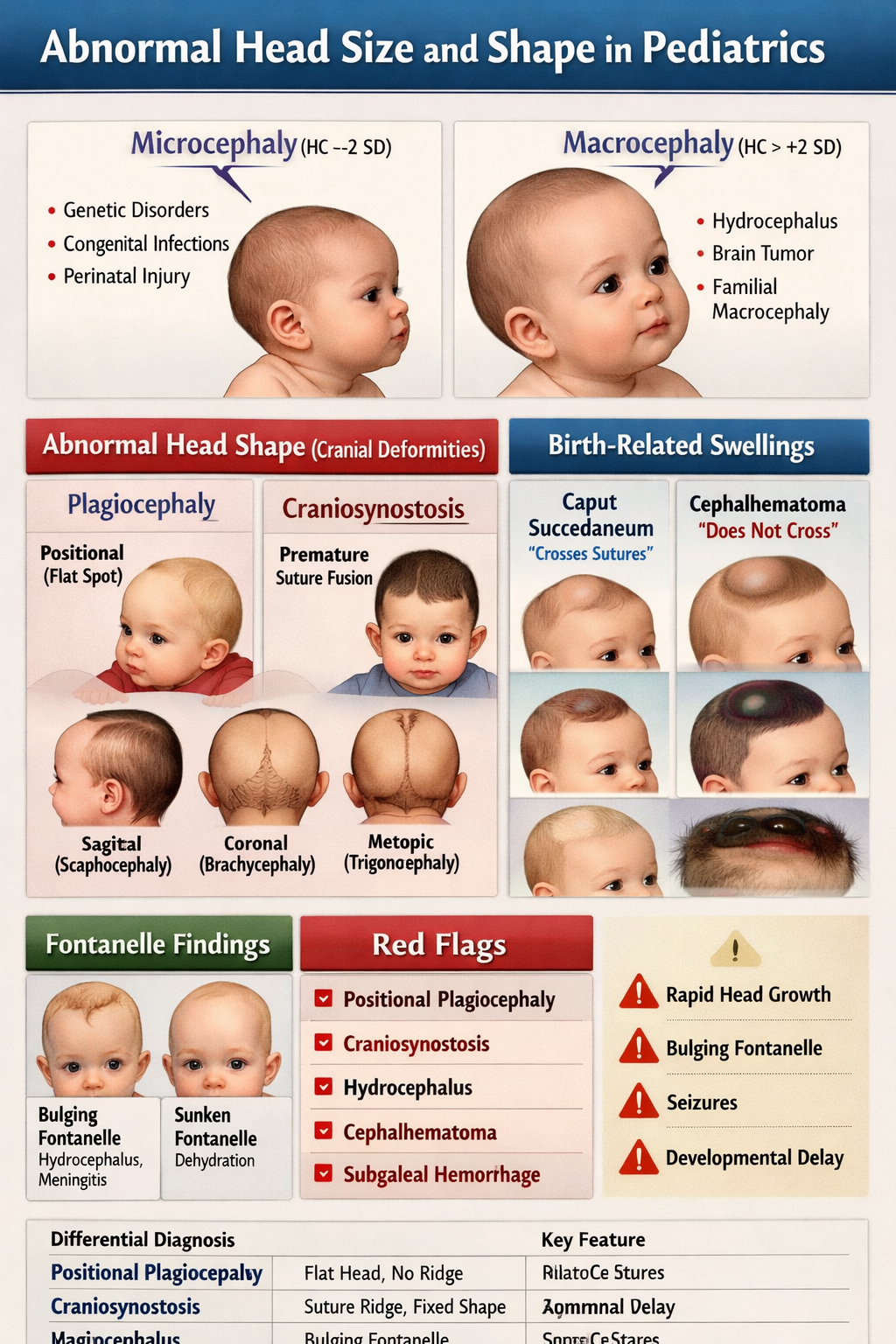
- Microcephaly or macrocephaly
- Poor growth velocity
If you want, I can also give the “Normal Development Milestones in Paediatrics (birth–5 years)” which is the most important exam topic with tables and quick revision formulas.