Depression Treatment — Complete Clinical Guide
1. Definition
Depression (Major Depressive Disorder) is a mood disorder marked by persistent low mood, loss of interest, cognitive changes, sleep/appetite disturbance, and impaired daily functioning lasting ≥ 2 weeks.
2. Treatment Goals
- Relieve depressive symptoms
- Restore daily functioning
- Prevent relapse and suicide
- Improve quality of life
- Treat comorbid anxiety, substance use, or medical illness
3. Treatment Approaches
Treatment depends on severity, duration, suicide risk, and patient preference.
A. Non-Pharmacologic Treatment (First-line in Mild Depression)
1. Psychotherapy
Cognitive Behavioral Therapy (CBT)
- Corrects negative thought patterns
- Effective for mild to moderate depression
Interpersonal Therapy (IPT)
- Focuses on relationship and role conflicts
Psychodynamic Therapy
- Explores emotional conflicts
Behavioral Activation
- Encourages activity and routine building
2. Lifestyle & Supportive Measures
- Regular exercise (aerobic & resistance)
- Sleep hygiene and structured routine
- Healthy nutrition (Omega-3, folate)
- Reduce alcohol & substance use
- Stress management (mindfulness, yoga)
- Social support and structured daily tasks
B. Pharmacologic Treatment (Moderate to Severe Depression)
1. First-Line Antidepressants
SSRIs — Selective Serotonin Reuptake Inhibitors
Examples: Fluoxetine, Sertraline, Escitalopram, Paroxetine
Mechanism: Increase serotonin in synaptic cleft
Usual Adult Dose:
- Fluoxetine 20–60 mg/day
- Sertraline 50–200 mg/day
Common Side Effects:
- Nausea, insomnia, sexual dysfunction, headache
Serious Risks:
- Serotonin syndrome, suicidal ideation (early therapy)
Contraindications:
- MAOI use, severe liver disease
Monitoring: Mood changes, suicidality
Counselling: Takes 2–6 weeks to work
SNRIs — Serotonin-Norepinephrine Reuptake Inhibitors
Examples: Venlafaxine, Duloxetine
Mechanism: Increase serotonin & norepinephrine
Dose: Venlafaxine 75–225 mg/day
Side Effects: Hypertension, sweating, anxiety
Atypical Antidepressants
Bupropion
- Improves energy & focus
- No sexual side effects
- Avoid in seizure disorders
Mirtazapine
- Helpful for insomnia & weight loss
- Causes sedation and weight gain
TCAs — Tricyclic Antidepressants
Examples: Amitriptyline, Imipramine
Used when SSRIs fail
Risks: Cardiac toxicity, sedation
Monitoring: ECG, overdose risk
MAOIs — Monoamine Oxidase Inhibitors
Examples: Phenelzine
Used in treatment-resistant depression
Risk: Hypertensive crisis with tyramine foods
2. Adjunctive Medications
- Mood stabilizers (Lithium)
- Atypical antipsychotics (Quetiapine, Aripiprazole)
- Benzodiazepines (short-term anxiety relief only)
C. Treatment-Resistant Depression
Electroconvulsive Therapy (ECT)
- Severe depression, suicidality, catatonia
- Rapid symptom relief
Transcranial Magnetic Stimulation (TMS)
- Non-invasive brain stimulation
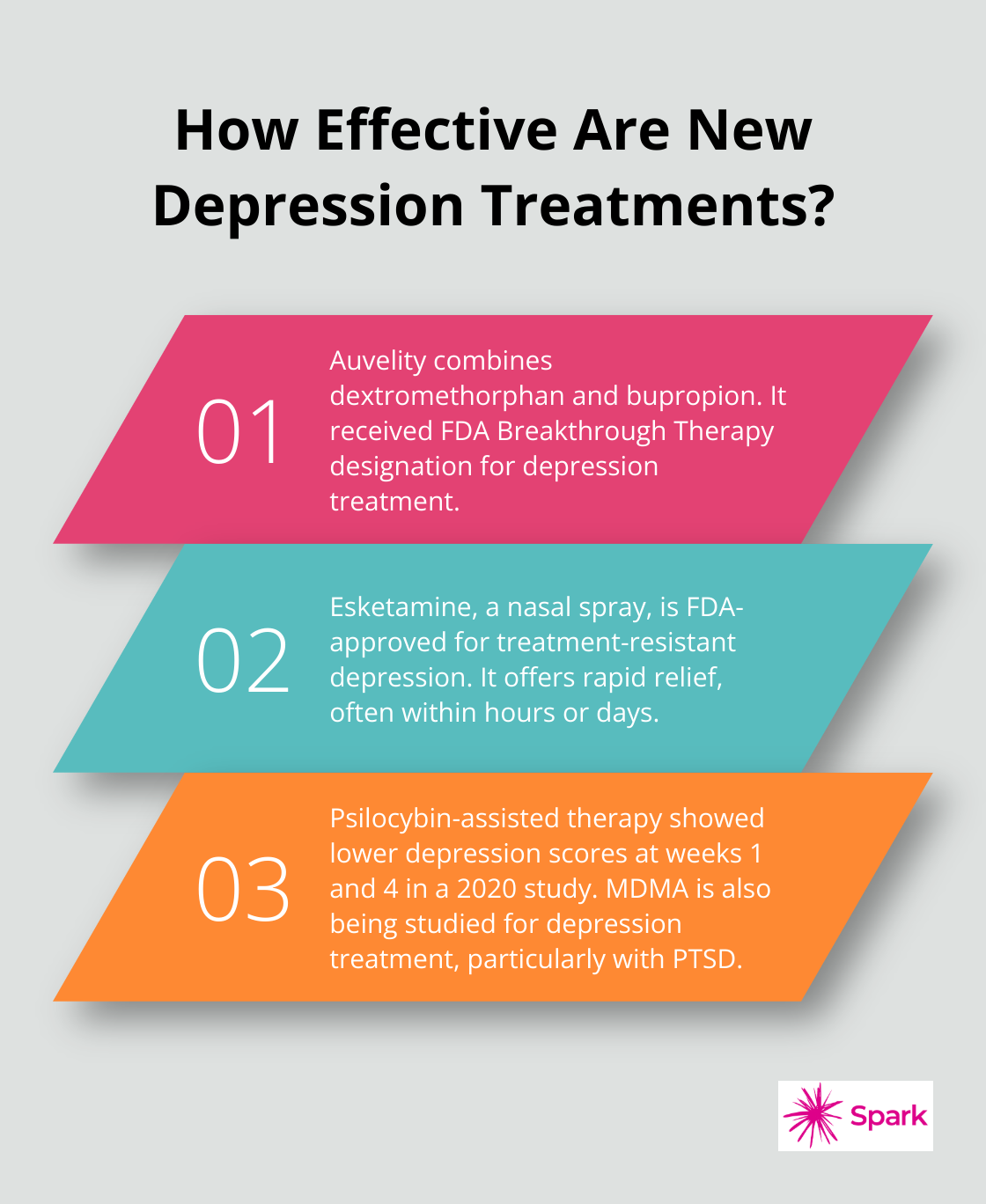
Ketamine / Esketamine
- Rapid relief in suicidal patients
4. Special Populations
Children & Adolescents
- First-line: CBT + Fluoxetine
- Monitor suicidality carefully
Pregnancy
- Prefer psychotherapy
- SSRIs if severe (avoid Paroxetine)
Elderly
- Start low doses
- Monitor cognitive effects
5. Suicide Risk Management
- Immediate psychiatric referral if suicidal
- Safety planning
- Crisis helplines
- Hospitalization if high risk
6. Duration of Treatment
- Continue antidepressants 6–12 months after remission
- Long-term maintenance if recurrent episodes
7. Relapse Prevention
- Continue therapy
- Maintain lifestyle discipline
- Avoid abrupt drug discontinuation
- Regular mental health follow-up
8. Red Flags Requiring Urgent Care
- Suicidal thoughts or attempts
- Psychotic symptoms
- Severe functional impairment
- Refusal to eat/drink
- Manic symptoms
9. Patient Counselling Points
- Depression is treatable
- Medications take weeks to work
- Do not stop medicines suddenly
- Therapy improves long-term outcomes
- Seek help early if symptoms worsen